Home › Blog › New Treatments for PAD: The Future of PAD Treatment
New Treatments for PAD: The Future of PAD Treatment

New Treatments for PAD: The Future of PAD Treatment

👤 seo@mail.everest-ads.com 🕒 ⏱️ …

Table of Contents

    New Treatments for PAD are transforming how Peripheral Artery Disease is diagnosed and managed, offering new hope for patients struggling with leg pain, poor circulation, and limited mobility. Peripheral Artery Disease (PAD) is a progressive vascular condition that often worsens silently over time, increasing the risk of serious complications if left untreated.

    Today, advances in vascular medicine go beyond traditional medications and surgery. Modern approaches now focus on restoring blood flow, supporting tissue healing, and targeting the disease at a biological level.

    Understanding these new treatments for PAD helps patients make informed decisions, seek early care, and benefit from the latest minimally invasive and regenerative options available especially in advanced medical centers across the United States.

    What Is Peripheral Artery Disease?

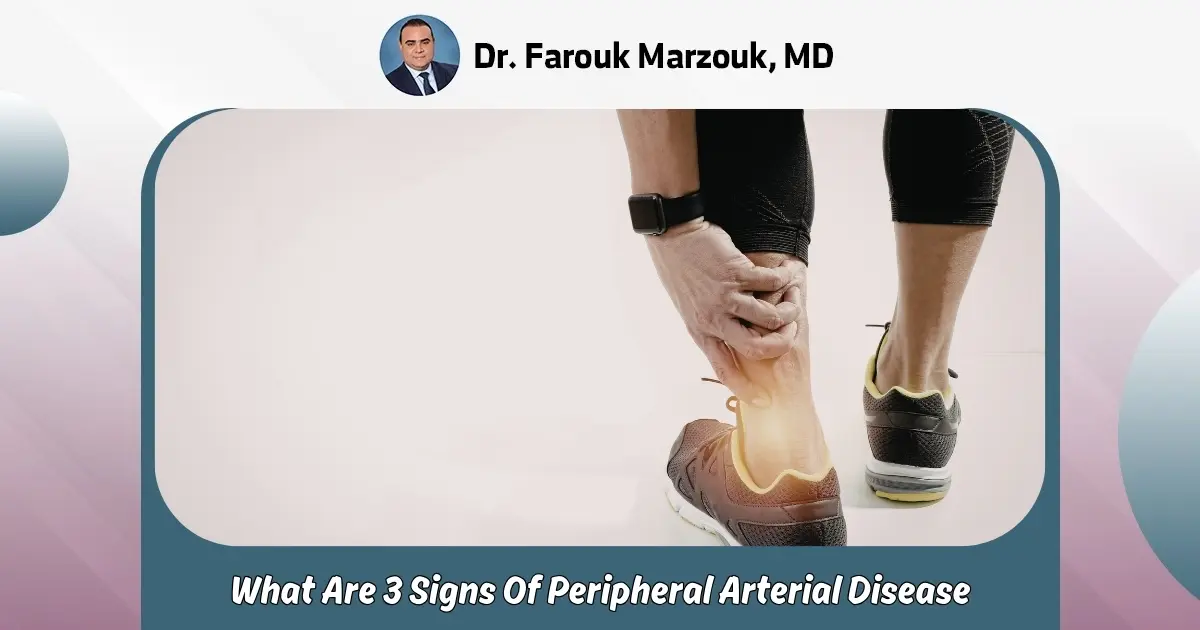
    Peripheral Artery Disease (PAD) is a vascular condition caused by the gradual narrowing of arteries that supply blood to the legs and feet. This narrowing is most commonly the result of atherosclerosis, where plaque builds up inside the artery walls and limits normal blood flow.

    As blood flow decreases, the leg muscles may not receive enough oxygen during activity, leading to symptoms such as leg pain while walking, muscle weakness, numbness, or slow-healing wounds. In some patients, PAD can remain silent for years, increasing the risk of serious complications without early warning signs.

    PAD causes is considered a progressive disease, meaning symptoms and risks can worsen over time if not properly managed. For this reason, early diagnosis and timely intervention are essential, especially with the growing availability of new treatments for PAD that aim to improve circulation and reduce long-term complications.

    The Normal Treatment for Peripheral Artery Disease

    The normal treatment for PAD is based on slowing disease progression, relieving symptoms, and lowering the risk of cardiovascular events. Initial treatment usually focuses on controlling underlying risk factors, including smoking cessation, regular supervised exercise, and dietary changes that support vascular health.

    Medical therapy:

    plays a central role and typically includes medications to manage cholesterol levels, blood pressure, and blood sugar, along with antiplatelet drugs to reduce the risk of blood clots. These treatments help stabilize arterial plaques and improve overall blood flow to the lower extremities.

    Surgery

    When symptoms become more severe or limit daily activities, minimally invasive procedures such as angioplasty or stent placement may be recommended to restore blood flow. While these traditional approaches remain effective, advances in vascular medicine have introduced new treatments for PAD, offering additional options for patients who do not achieve adequate results with standard care.

    These evolving therapies are designed to enhance treatment outcomes, minimize recovery time, and provide more targeted solutions based on disease severity.

    Also Read: Is PAD dangerous
    Treatment for Peripheral Artery Disease

    New Treatments for PAD

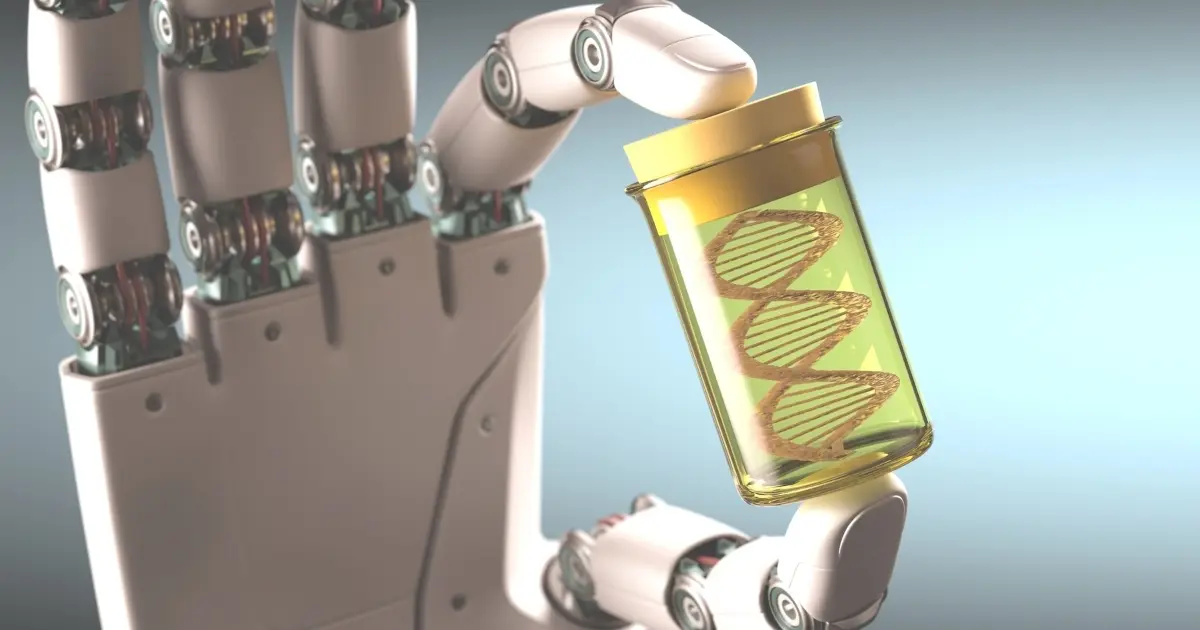
    New treatments for PAD are expanding the way peripheral artery disease is treated beyond traditional medications and surgery. These approaches focus on improving blood flow, supporting tissue repair, and targeting the disease at a cellular and molecular level and to prevent PAD.

    By using advanced technologies and regenerative strategies, new treatments for PAD aim to reduce symptoms, improve mobility, and lower the risk of serious complications in patients with moderate to severe disease.

    1. Gene Therapy

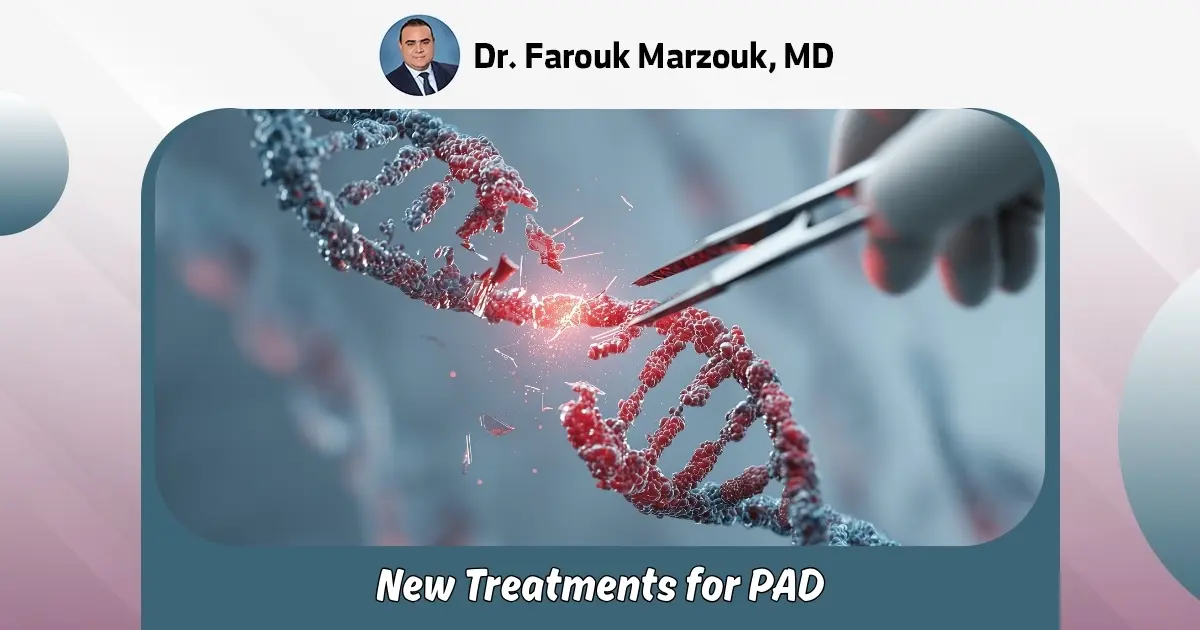
    Gene therapy is an emerging option among new treatments for PAD that focuses on stimulating the growth of new blood vessels. This approach introduces specific genetic signals into the body to activate angiogenesis, allowing blood to flow around blocked arteries.

    Genes such as VEGF, HGF, and EPAS1 are being studied for their role in vascular growth and adaptation. Although still under investigation, this method shows potential for patients with advanced PAD who have limited treatment alternatives.

    2. Cell-Based Therapies

    Cell-based therapies use the body’s own regenerative capacity to support healing and vascular repair. As part of new treatments for PAD, these therapies typically involve cells collected from the patient and delivered to areas with reduced blood flow.

    Early research suggests that cell-based therapies may help reduce leg pain and improve walking performance in some PAD patients, especially those with chronic ischemia.

    3. Nanoparticle-Based Drug Delivery

    Nanoparticle-based drug delivery represents a targeted approach within new treatments for PAD. This method uses extremely small particles to transport medications directly to diseased arteries, improving precision and control.

    These nanoparticles can be engineered to release drugs gradually, helping maintain therapeutic levels over time. By delivering treatment directly to affected vessels, this approach may increase drug effectiveness while reducing unwanted side effects, making PAD management more efficient and patient-focused.

    Also Read: can peripheral artery disease cause dizziness

    4. Advanced Endovascular Techniques

    Advanced endovascular techniques have transformed PAD treatment by allowing doctors to repair arteries from within the blood vessels. These minimally invasive procedures are a key part of modern new treatments for PAD.

    These techniques often require only small access points and are associated with faster recovery and improved blood flow.

    5. Personalized Medicine

    Personalized medicine is becoming an essential component of new treatments for PAD by recognizing that each patient’s disease is different. This approach combines genetic data, clinical findings, and lifestyle factors to guide treatment decisions.

    In PAD care, personalized strategies may involve selecting medications based on genetic response, using biomarkers to monitor progress, and designing individualized exercise or rehabilitation programs. Tailored treatment plans can improve effectiveness and reduce unnecessary risks.

    Importance of New Treatments for PAD

    The importance of new treatments for PAD comes from the progressive nature of the disease. As arteries continue to narrow, standard treatments may no longer provide enough relief or protection.

    New treatments for PAD offer additional options for patients who experience persistent pain, limited walking ability, or poor wound healing despite conventional care. These innovations  as well as test for PAD at home help address unmet clinical needs and improve long-term outcomes by restoring circulation more effectively.
    Risk Factors of Peripheral Arterial Disease

    Risk Factors of Peripheral Arterial Disease

    Peripheral Arterial Disease develops gradually as a result of factors that damage blood vessels or accelerate plaque buildup inside the arteries. One of the most significant risk factors is smoking, which directly harms the arterial walls and reduces blood flow to the limbs. Diabetes is another major contributor, as high blood sugar levels can damage both large and small blood vessels over time.

    High cholesterol and high blood pressure increase the likelihood of fatty deposits forming inside the arteries, leading to narrowing and reduced circulation.

    Age also plays an important role, with PAD becoming more common in people over 50, especially when combined with other risk factors. A family history of cardiovascular disease, obesity, and physical inactivity further raise the risk.

    Understanding these risk factors with Pain Relief For PAD is essential because early identification allows for timely intervention.

    Alongside lifestyle changes and medical management, the growing availability of new treatments for PAD offers additional opportunities to slow disease progression and reduce complications in high-risk patients.

    The Future of PAD Treatment

    The future of PAD treatment is moving toward more advanced, targeted, and patient-centered approaches. Instead of focusing only on symptom relief, future strategies aim to restore blood flow, support vascular regeneration, and address the underlying biological mechanisms of the disease.

    Ongoing research is expanding the role of regenerative therapies, precision medicine, and innovative drug delivery systems. Many new treatments for PAD are being developed to work at the cellular and genetic level, offering hope for patients with advanced disease who have limited response to conventional options. At the same time, improvements in minimally invasive procedures continue to reduce recovery time and improve long-term outcomes.

    The Best Doctor For PAD Treatment In Brooklyn?

    When it comes to advanced care for Peripheral Artery Disease, Dr. Farouk Marzouk offers trusted, patient-focused treatment built on the latest new treatments for PAD. With extensive experience in diagnosing and managing vascular conditions, he provides personalized care designed to restore healthy blood flow and relieve leg symptoms.

    At Frontier Medical Care, patients benefit from precise diagnosis, minimally invasive procedures, and ongoing follow-up in a professional and supportive environment. This comprehensive approach helps patients regain mobility, reduce long-term risks, and improve overall quality of life.

    Schedule your consultation today and take the next step toward better circulation and lasting relief.
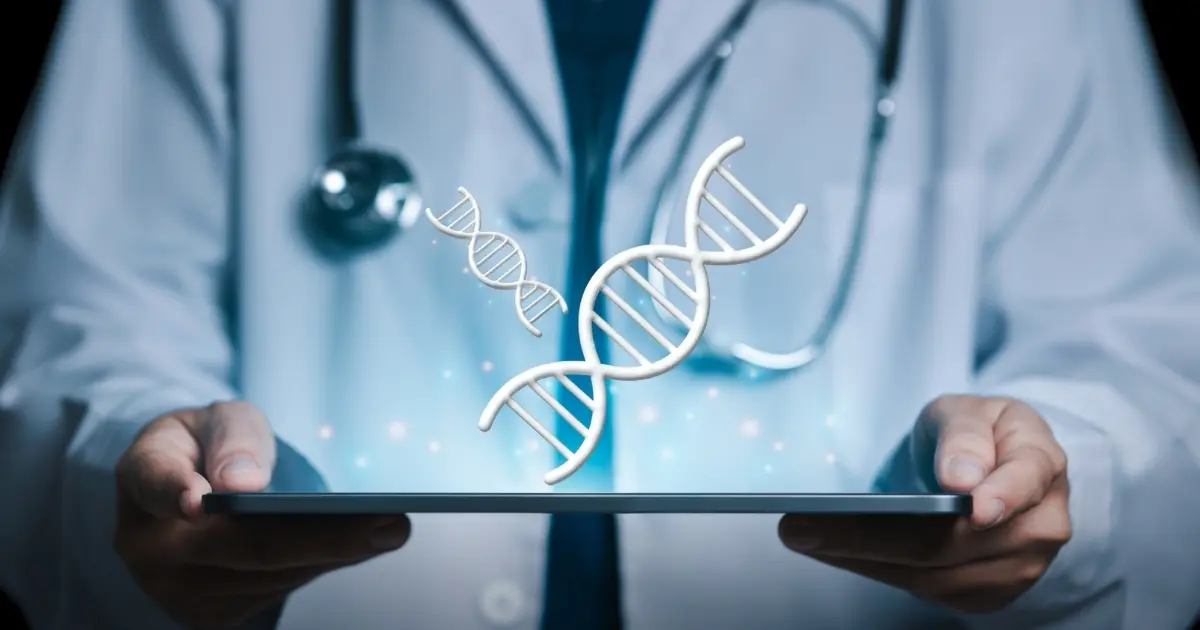
    The Future of PAD Treatment

    Conclusion

    Advances in vascular medicine have reshaped the outlook for patients living with Peripheral Artery Disease. Instead of relying solely on symptom control, new treatments for PAD focus on improving circulation, restoring mobility, and addressing the underlying causes of arterial narrowing.

    From regenerative therapies and advanced endovascular techniques to personalized treatment strategies, modern PAD care offers safer, more effective options for patients at every stage of the disease.

    With early diagnosis, proper risk factor management, and access to innovative therapies, many patients can slow disease progression, reduce complications, and regain a better quality of life. Staying informed about new treatments for PAD is a critical step toward healthier circulation and long-term vascular health.

    FAQs

    What is the new procedure to remove plaque from arteries?

    One of the newer procedures used to remove plaque from arteries is advanced atherectomy, which involves specialized devices that break down and remove plaque from inside the artery. In addition, intravascular lithotripsy (lithoplasty) is a newer technique that uses sound waves to crack hardened calcium deposits, making the artery easier to treat with balloons or stents. These minimally invasive options are considered part of the evolving new treatments for PAD, as they improve blood flow while reducing recovery time and procedural risk.

    What is the most effective treatment for PAD?

    There is no single treatment that works best for every PAD patient. The most effective treatment depends on disease severity, symptoms, and overall health. For early PAD, lifestyle changes and medications are often sufficient. In more advanced cases, minimally invasive procedures such as angioplasty, stenting, or atherectomy may be needed. Today, new treatments for PAD allow doctors to combine traditional therapies with advanced techniques to achieve better long-term outcomes and improved walking ability.

    What vitamin is good for peripheral artery disease?

    Certain vitamins may support vascular health, but they do not replace medical treatment for PAD. Vitamin D has been linked to better blood vessel function, while vitamin B12 helps maintain healthy nerves and circulation. Antioxidant vitamins such as vitamin C and vitamin E may also support overall artery health. However, vitamins alone cannot treat PAD. They are best used as part of a comprehensive care plan that may include medications, lifestyle changes, and, when needed, new treatments for PAD.

    Can a PAD be stopped from progressing?

    PAD progression can often be slowed and, in some cases, stabilized with early diagnosis and proper management. Quitting smoking, controlling blood sugar, managing cholesterol and blood pressure, and staying physically active are key steps. Medical therapy and regular follow-up also play an important role. With advances in care, new treatments for PAD provide additional tools to improve blood flow and reduce complications, helping many patients maintain mobility and quality of life over time.
    References

    Updated:

    New Treatments for PAD: The Future of PAD Treatment

    New Treatments for PAD

    New Treatments for PAD are transforming how Peripheral Artery Disease is diagnosed and managed, offering new hope for patients struggling with leg pain, poor circulation, and limited mobility. Peripheral Artery Disease (PAD) is a progressive vascular condition that often worsens silently over time, increasing the risk of serious complications if left untreated.

    Today, advances in vascular medicine go beyond traditional medications and surgery. Modern approaches now focus on restoring blood flow, supporting tissue healing, and targeting the disease at a biological level.

    Understanding these new treatments for PAD helps patients make informed decisions, seek early care, and benefit from the latest minimally invasive and regenerative options available especially in advanced medical centers across the United States.

    What Is Peripheral Artery Disease?

    Peripheral Artery Disease (PAD) is a vascular condition caused by the gradual narrowing of arteries that supply blood to the legs and feet. This narrowing is most commonly the result of atherosclerosis, where plaque builds up inside the artery walls and limits normal blood flow.

    As blood flow decreases, the leg muscles may not receive enough oxygen during activity, leading to symptoms such as leg pain while walking, muscle weakness, numbness, or slow-healing wounds. In some patients, PAD can remain silent for years, increasing the risk of serious complications without early warning signs.

    PAD causes is considered a progressive disease, meaning symptoms and risks can worsen over time if not properly managed. For this reason, early diagnosis and timely intervention are essential, especially with the growing availability of new treatments for PAD that aim to improve circulation and reduce long-term complications.

    The Normal Treatment for Peripheral Artery Disease

    The normal treatment for PAD is based on slowing disease progression, relieving symptoms, and lowering the risk of cardiovascular events. Initial treatment usually focuses on controlling underlying risk factors, including smoking cessation, regular supervised exercise, and dietary changes that support vascular health.

    Medical therapy:

    plays a central role and typically includes medications to manage cholesterol levels, blood pressure, and blood sugar, along with antiplatelet drugs to reduce the risk of blood clots. These treatments help stabilize arterial plaques and improve overall blood flow to the lower extremities.

    Surgery

    When symptoms become more severe or limit daily activities, minimally invasive procedures such as angioplasty or stent placement may be recommended to restore blood flow. While these traditional approaches remain effective, advances in vascular medicine have introduced new treatments for PAD, offering additional options for patients who do not achieve adequate results with standard care.

    These evolving therapies are designed to enhance treatment outcomes, minimize recovery time, and provide more targeted solutions based on disease severity.

    Also Read: Is PAD dangerous

    Treatment for Peripheral Artery Disease

    New Treatments for PAD

    New treatments for PAD are expanding the way peripheral artery disease is treated beyond traditional medications and surgery. These approaches focus on improving blood flow, supporting tissue repair, and targeting the disease at a cellular and molecular level and to prevent PAD.

    By using advanced technologies and regenerative strategies, new treatments for PAD aim to reduce symptoms, improve mobility, and lower the risk of serious complications in patients with moderate to severe disease.

    1. Gene Therapy

    Gene therapy is an emerging option among new treatments for PAD that focuses on stimulating the growth of new blood vessels. This approach introduces specific genetic signals into the body to activate angiogenesis, allowing blood to flow around blocked arteries.

    Genes such as VEGF, HGF, and EPAS1 are being studied for their role in vascular growth and adaptation. Although still under investigation, this method shows potential for patients with advanced PAD who have limited treatment alternatives.

    2. Cell-Based Therapies

    Cell-based therapies use the body’s own regenerative capacity to support healing and vascular repair. As part of new treatments for PAD, these therapies typically involve cells collected from the patient and delivered to areas with reduced blood flow.

    Early research suggests that cell-based therapies may help reduce leg pain and improve walking performance in some PAD patients, especially those with chronic ischemia.

    3. Nanoparticle-Based Drug Delivery

    Nanoparticle-based drug delivery represents a targeted approach within new treatments for PAD. This method uses extremely small particles to transport medications directly to diseased arteries, improving precision and control.

    These nanoparticles can be engineered to release drugs gradually, helping maintain therapeutic levels over time. By delivering treatment directly to affected vessels, this approach may increase drug effectiveness while reducing unwanted side effects, making PAD management more efficient and patient-focused.

    Also Read: can peripheral artery disease cause dizziness

    4. Advanced Endovascular Techniques

    Advanced endovascular techniques have transformed PAD treatment by allowing doctors to repair arteries from within the blood vessels. These minimally invasive procedures are a key part of modern new treatments for PAD.

    These techniques often require only small access points and are associated with faster recovery and improved blood flow.

    5. Personalized Medicine

    Personalized medicine is becoming an essential component of new treatments for PAD by recognizing that each patient’s disease is different. This approach combines genetic data, clinical findings, and lifestyle factors to guide treatment decisions.

    In PAD care, personalized strategies may involve selecting medications based on genetic response, using biomarkers to monitor progress, and designing individualized exercise or rehabilitation programs. Tailored treatment plans can improve effectiveness and reduce unnecessary risks.

    Importance of New Treatments for PAD

    The importance of new treatments for PAD comes from the progressive nature of the disease. As arteries continue to narrow, standard treatments may no longer provide enough relief or protection.

    New treatments for PAD offer additional options for patients who experience persistent pain, limited walking ability, or poor wound healing despite conventional care. These innovations  as well as test for PAD at home help address unmet clinical needs and improve long-term outcomes by restoring circulation more effectively.

    Risk Factors of Peripheral Arterial Disease

    Risk Factors of Peripheral Arterial Disease

    Peripheral Arterial Disease develops gradually as a result of factors that damage blood vessels or accelerate plaque buildup inside the arteries. One of the most significant risk factors is smoking, which directly harms the arterial walls and reduces blood flow to the limbs. Diabetes is another major contributor, as high blood sugar levels can damage both large and small blood vessels over time.

    High cholesterol and high blood pressure increase the likelihood of fatty deposits forming inside the arteries, leading to narrowing and reduced circulation.

    Age also plays an important role, with PAD becoming more common in people over 50, especially when combined with other risk factors. A family history of cardiovascular disease, obesity, and physical inactivity further raise the risk.

    Understanding these risk factors with Pain Relief For PAD is essential because early identification allows for timely intervention.

    Alongside lifestyle changes and medical management, the growing availability of new treatments for PAD offers additional opportunities to slow disease progression and reduce complications in high-risk patients.

    The Future of PAD Treatment

    The future of PAD treatment is moving toward more advanced, targeted, and patient-centered approaches. Instead of focusing only on symptom relief, future strategies aim to restore blood flow, support vascular regeneration, and address the underlying biological mechanisms of the disease.

    Ongoing research is expanding the role of regenerative therapies, precision medicine, and innovative drug delivery systems. Many new treatments for PAD are being developed to work at the cellular and genetic level, offering hope for patients with advanced disease who have limited response to conventional options. At the same time, improvements in minimally invasive procedures continue to reduce recovery time and improve long-term outcomes.

    The Best Doctor For PAD Treatment In Brooklyn?

    When it comes to advanced care for Peripheral Artery Disease, Dr. Farouk Marzouk offers trusted, patient-focused treatment built on the latest new treatments for PAD. With extensive experience in diagnosing and managing vascular conditions, he provides personalized care designed to restore healthy blood flow and relieve leg symptoms.

    At Frontier Medical Care, patients benefit from precise diagnosis, minimally invasive procedures, and ongoing follow-up in a professional and supportive environment. This comprehensive approach helps patients regain mobility, reduce long-term risks, and improve overall quality of life.

    Schedule your consultation today and take the next step toward better circulation and lasting relief.

    The Future of PAD Treatment

    Conclusion

    Advances in vascular medicine have reshaped the outlook for patients living with Peripheral Artery Disease. Instead of relying solely on symptom control, new treatments for PAD focus on improving circulation, restoring mobility, and addressing the underlying causes of arterial narrowing.

    From regenerative therapies and advanced endovascular techniques to personalized treatment strategies, modern PAD care offers safer, more effective options for patients at every stage of the disease.

    With early diagnosis, proper risk factor management, and access to innovative therapies, many patients can slow disease progression, reduce complications, and regain a better quality of life. Staying informed about new treatments for PAD is a critical step toward healthier circulation and long-term vascular health.

    FAQs

    What is the new procedure to remove plaque from arteries?

    One of the newer procedures used to remove plaque from arteries is advanced atherectomy, which involves specialized devices that break down and remove plaque from inside the artery. In addition, intravascular lithotripsy (lithoplasty) is a newer technique that uses sound waves to crack hardened calcium deposits, making the artery easier to treat with balloons or stents. These minimally invasive options are considered part of the evolving new treatments for PAD, as they improve blood flow while reducing recovery time and procedural risk.

    What is the most effective treatment for PAD?

    There is no single treatment that works best for every PAD patient. The most effective treatment depends on disease severity, symptoms, and overall health. For early PAD, lifestyle changes and medications are often sufficient. In more advanced cases, minimally invasive procedures such as angioplasty, stenting, or atherectomy may be needed. Today, new treatments for PAD allow doctors to combine traditional therapies with advanced techniques to achieve better long-term outcomes and improved walking ability.

    What vitamin is good for peripheral artery disease?

    Certain vitamins may support vascular health, but they do not replace medical treatment for PAD. Vitamin D has been linked to better blood vessel function, while vitamin B12 helps maintain healthy nerves and circulation. Antioxidant vitamins such as vitamin C and vitamin E may also support overall artery health. However, vitamins alone cannot treat PAD. They are best used as part of a comprehensive care plan that may include medications, lifestyle changes, and, when needed, new treatments for PAD.

    Can a PAD be stopped from progressing?

    PAD progression can often be slowed and, in some cases, stabilized with early diagnosis and proper management. Quitting smoking, controlling blood sugar, managing cholesterol and blood pressure, and staying physically active are key steps. Medical therapy and regular follow-up also play an important role. With advances in care, new treatments for PAD provide additional tools to improve blood flow and reduce complications, helping many patients maintain mobility and quality of life over time.
    References