Home › Blog › Arterial venous insufficiency | What is the cause of acute arterial insufficiency?
Arterial venous insufficiency | What is the cause of acute arterial insufficiency?

Arterial venous insufficiency | What is the cause of acute arterial insufficiency?

👤 ahmedelgamal 🕒 ⏱️ …

Table of Contents

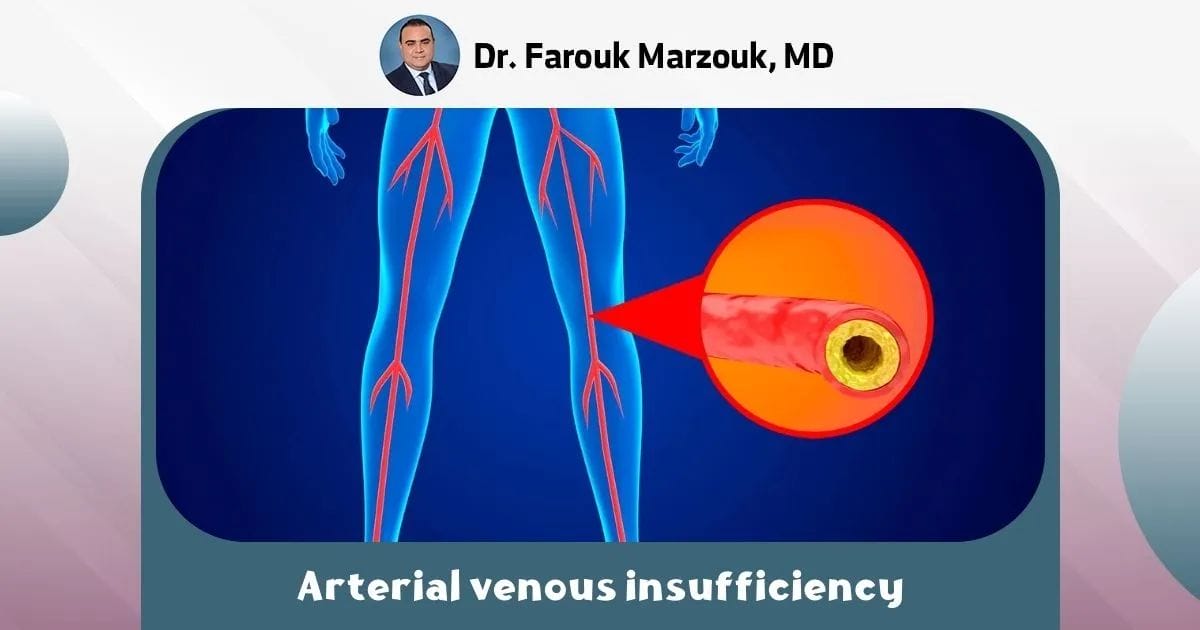
    Arterial venous insufficiency

    Acute arterial insufficiency is a lack of blood flow in the arteries, which are the vessels that carry oxygen from the lungs to all parts of the body. Blood clots and atherosclerosis are usually the cause. Symptoms depend on the affected artery. Lifestyle changes, medications, and procedures can reduce the consequences.

    What is arterial insufficiency ?

    An illness results in them reveling in an insufficient supply of oxygen and (ischemia) because of insufficient arterial blood flow.

    What Is Acute Arterial Insufficiency?

    Acute arterial insufficiency is a sudden drop in blood flow through an artery, usually caused by acute arterial occlusion. This happens when the vessel is quickly narrowed or blocked, often due to plaque buildup or a blood clot. Since arteries carry oxygen-rich blood from the heart to organs and tissues, any sudden blockage can lead to rapid tissue damage and serious complications. Immediate medical attention is crucial to restore circulation and protect the affected area.

    What Are Acute Arterial Occlusion Types?

    Arterial occlusion is classified mainly into two types, based on how quickly the inadequate blood supply develops.

    Acute arterial insufficiency:

    occurs when blood flow is suddenly reduced or completely blocked, most often by a clot. This abrupt interruption deprives tissues of oxygen and nutrients, making it a medical emergency that requires immediate intervention to prevent permanent damage.

    Chronic arterial insufficiency:

    on the other hand, develops gradually due to underlying conditions such as atherosclerosis. Over time, the arteries narrow, and circulation slows, leading to worsening symptoms and a higher risk of serious complications. Identifying and treating acute vascular insufficiency early especially as part of peripheral artery disease (PAD) can significantly lower the risk of tissue loss, limb ischemia, and other long-term problems. Prompt diagnosis and timely therapy are key to protecting vascular health.

    How does arterial insufficiency affect my body ?

    Acute arterial insufficiency is a medical condition that occurs when there is a sudden low in blood influx to an organ or tissue due to a narrowing of an artery. Several physical findings may be present in someone with acute arterial insufficiency, including:

    • Severe pain: A sudden onset of severe pain may be present in the affected limb or organs. This pain may be described as aching, burning, or sharp.
    • Numbness or tingling: Numbness or tingling may be present in the affected limb or organs due to the lack of blood influx.
    • Coldness or paleness of the skin: The skin in the affected area may appear pale or white, and it may feel cold to the touch.
    • Weakness or paralysis: The affected limb or organ may feel weak or become paralyzed due to lacking influx.
    • Decreased or absent pulses: The pulses in the affected limb or organs may be decreased or absent due to the narrowing of the artery.
    • Ulcers or gangrene: In severe cases, they may develop in the affected area due to influx.

    If you feel any of these physical findings, seek immediate medical attention as this condition requires prompt diagnosis and therapy to prevent damage or loss, and to minimize the risk of complications.

    What causes arterial insufficiency ?

    Acute arterial insufficiency is a part of peripheral vascular disease when there is a sudden decrease in flow to organs due to a blockage of arteries. The most common cause of arterial insufficiency as a part of peripheral artery disease is a clot that forms in arteries and blocks the influx.

    Other causes may be acute arterial injuries, arterial spasms, or atherosclerosis, which is a buildup of plaque in the arteries that reduces blood influx. Arterial trauma may be caused by an injury or surgery that damages the artery, leading to a blockage or narrowing.

    Arterial spasm occurs when the walls of arteries or arteries constrict, reducing blood influx. This can be caused by certain medications or medical conditions such as Raynaud’s disease or migraine headaches. Atherosclerosis is a situation where plaque builds up in the arteries or arteries, causing them to narrow and reducing blood influx.

    This can result from high levels of cholesterol and triglycerides in the blood, high blood pressure, smoking, and a sedentary lifestyle. Atherosclerosis disease affects any artery or arteries, those in the legs, arms, abdomen, and heart.

    Other less common causes of acute arterial insufficiency as a part of peripheral vascular disease include emboli, which are blood clot in arm or other debris that break off from another part of the body and travel through the bloodstream to block an artery or arteries, and vasculitis, which is inflammation of the blood vessels that can cause them to narrow.

    Who is at hazard ?

    • Acute arterial insufficiency as a part of peripheral disease is common in diabetics.
    • Fats and fatty acid metabolism are some of the many metabolic problems that diabetics revel in, which raises their danger of atherosclerosis.
    • Additionally, they’re more likely to expand diabetes neuropathy, a circumstance that affects the small vessels and neurons and leaves them at risk of ischemia.
    • People who’ve hypertension are moreover at hazard because their vessel’s high blood pressure results in increased turbulence.
    • Thrombus improvement may also end resulting from this.
    • Excessive fat, smoking, and a sedentary way of life are different hazard elements that might impact the improvement of acute arterial insufficiency.

    What Are The Acute Arterial Insufficiency Signs?

    Acute arterial insufficiency is a medical condition that occurs when there is a sudden low in blood influx to an organ or tissue due to a narrowing of an artery.  Several physical findings may be present in someone with acute arterial insufficiency (peripheral disease), including:

    • Severe pain: A sudden onset of severe pain may be present in the affected limb or organ. This pain may be described as aching, burning, or sharp.
    • Numbness or tingling: Numbness or tingling may be present in the affected limb or organ due to the lack of blood influx.
    • Coldness or paleness of the skin: The skin in the affected area may appear pale or white, and it may feel cold to the touch.
    • Weakness or paralysis: The affected limb or organ may feel weak or become paralyzed due to the lack of influx.
    • Decreased or absent pulses: The pulses in the affected limb or organ may be decreased or absent due to the narrowing of the artery.
    • Ulcers or gangrene: In severe cases, they may develop in the affected area due to the lack of influx.

    If you experience any of these physical findings, seek immediate medical attention as this condition requires prompt diagnosis and therapy to prevent damage or loss, and to minimize the risk of complications.

    Risk Factors For Acute Arterial Insufficiency?

    • Acute arterial insufficiency as a part of peripheral vascular disease is a chance for diabetic sufferers.
    • fats and fatty acid metabolism are some of the many metabolic problems that diabetics revel in, which raises their danger for atherosclerosis. 
    • additionally, they’re more likely to expand diabetes neuropathy, a circumstance that affects the small vessels and neurons and leaves them at risk of ischemia. 
    • people who’ve hypertension are moreover at hazard because their vessel’s high blood pressure results in increased turbulence. Thrombus improvement may also end resulting from this. 
    • An excessive-fat weight-reduction plan, smoking, and a sedentary way of life are different hazard elements that might impact the improvement of arterial insufficiency (peripheral disease).
    peripheral arterial insufficiency
    peripheral arterial insufficiency

    How to diagnose acute arterial insufficiency ?

    Diagnosis and therapy for arterial insufficiency as a part of peripheral vascular disease require prompt attention as this situation can cause great pain and damage, and it is an emergency. The diagnosis and therapy may vary depending on the underlying cause, severity of the situation, and locations of the affected arteries.

     Diagnosis of acute arterial disease involves a physical exam, history, and imaging tests such as ultrasound, computed tomography (CT) scans, or magnetic resonance imaging (MRI). Blood tests may also be conducted to check for signs of damage or infection.

    Also Read: how serious is a blocked artery in the leg

    What are treatment options of acute arterial insufficiency ?

    The therapy for acute arterial disease typically involves restoring blood flow to the affected area as quickly as possible. The options may vary depending on the underlying cause, the severity of the situation, and the location of the affected arteries.

    Some of options for arterial disease:

    • Medications to dissolve clots: Medications such as anticoagulants or thrombolytics may be used to dissolve the clot and improve flow.
    • Surgery: If medications are not effective, surgery may be necessary to restore flow. Surgery may bypass surgery or endarterectomy, where the blocked artery is opened and plaques or clots are removed.
    • Thrombectomy: This is a surgical procedure where the clot is removed from arteries.
    • Embolectomy: This is a surgery where emboli are removed from arteries. In addition to these treatments, medications may be prescribed to manage ache and prevent further complications.
    • Balloon PAD angioplasty: This is a minimally invasive procedure where a small balloon is inserted into the blocked artery and inflated to open up arteries and restore flow.
    • Lifestyle changes: such as regular exercise, a healthy diet, and avoiding smoking or excessive alcohol consumption can also help prevent the development of acute arterial disease.

    It is important to seek prompt attention if you suspect that you or someone else may be experiencing acute arterial disease. Delaying therapy leads to serious complications, and even amputation if left untreated.

    The Complications of Arterial Insufficiency

    Damage to the coronary, mind, liver, kidneys, intestines, and different organs and muscle groups is a likely trouble of arterial insufficiency or peripheral disease.

    This damage can be serious and even existence-threatening in some cases.

    You may assist reduce your danger of significant headaches by way of following the remedy plan you and your healthcare expert layout especially for you.

    Also Read: what is the best treatment for venous insufficiency

    Complications of Acute Arterial Insufficiency Include:

    1. Heart sickness.
    2. Impotence or erectile dysfunction.
    3. Myocardial infarction.
    4. Open sores or ulcers on decreased legs that don’t heal and may cause gangrene (tissue dying) and amputation.
    5. Organ harm (kidneys, liver, and intestines).
    6. decreased movement within the legs and toes.
    7. ache inside the legs and feet (claudication) that worsens with activity.
    8. Stroke.
    9. brief ischemic attack.

    What is the difference between arterial and venous insufficiency?

    Venous insufficiency is occurring when there is a blockage or constriction of the veins, resulting in difficulty returning blood to the heart. It can cause swollen veins and aches in the legs. Arterial insufficiency occurs when there is a reduction in blood flow from the arteries to the tissues. It can cause of blood flow to organs and tissue, leading to problems such as aches, numbness, and loss of sensation in the affected areas. In general, vein insufficiency or disease affects blood return, while arterial disease affects blood flow to tissues. Also Read: arterial vs venous insufficiency symptoms

    What are the types of acute Arterial insufficiency or disease ?

    Clot development can result in two effects. firstly, it could obstruct arterial blood flow. A clot fragment (embolus or emboli) can separate and block a smaller artery, inflicting obstruction. One example of acute arterial insufficiency introduced using an embolus is a myocardial infarction (coronary disease). Peripheral arterial occlusive disease, a condition resulting from acute arterial disease, also can affect the tiny arteries within the limbs (PAOD).

    causes of arterial insufficiency
    causes of arterial insufficiency

    What are Staging of acute arterial occlusion ?

    The Society for Vascular Surgical Operation has created a class of acute ischemic limbs:

    • Stage I: Non-threatened elective revascularization may additionally or might not be important.
    • Stage II: Threatened extremity; revascularization is indicated to save you tissue loss.
    • Stage III: Ischemia has progressed to infarctions, and saving extremity is not possible.

    What is prognosis of acute arterial insufficiency ?

    An examination carried out on a group of patients with arterial occlusive disorder pronounced that -two-thirds of the sufferers required surgery at the start of their hospitalization for ongoing excessive ischemia. Even as the mortality due to acute thrombosis became lower, the threat of main amputation was found to be 35%. They concluded that vascular reconstruction needs not be behind schedule in the placing of acute arterial ischemia secondary to arterial thrombosis.

    Conclusion

    If you’re noticing signs of acute peripheral arterial insufficiency whether it’s pain, paleness, or sudden coldness in a limb don’t wait. These symptoms may signal inadequate blood supply that requires urgent medical care to prevent irreversible damage. Early diagnosis and prompt treatment can make the difference between full recovery and serious complications. For expert vascular assessment and advanced treatment options, book an appointment today with Dr. Mabrouk Marzouk, a trusted vascular specialist in Brooklyn, New York, and take the first step toward protecting your health and restoring proper circulation.

    FAQs

    What does arterial insufficiency feel like?

    Arterial insufficiency often starts with a feeling of heaviness, tiredness, or cramping in the legs, especially during walking. The skin may feel cold or look pale, and some people notice numbness or tingling. As blood flow becomes more limited, pain can appear even at rest, and wounds may heal slowly.

    How to check for arterial insufficiency?

    A basic check involves examining skin color, temperature, and pulses in the legs. If pulses are weak or hard to find, it may signal poor circulation. Doctors may also use tests like the ankle brachial index (ABI), ultrasound, or imaging scans to measure blood flow and detect blockages accurately.

    What is the hallmark symptom of peripheral arterial insufficiency?

    The classic sign is intermittent claudication, which means muscle pain or cramping in the legs that appears during walking or exercise and improves with rest. This happens because the muscles don’t get enough oxygen when blood flow is reduced.

    Updated:

    Arterial venous insufficiency | What is the cause of acute arterial insufficiency?

    Arterial venous insufficiency

    Arterial venous insufficiency

    Acute arterial insufficiency is a lack of blood flow in the arteries, which are the vessels that carry oxygen from the lungs to all parts of the body. Blood clots and atherosclerosis are usually the cause. Symptoms depend on the affected artery. Lifestyle changes, medications, and procedures can reduce the consequences.

    What is arterial insufficiency ?

    An illness results in them reveling in an insufficient supply of oxygen and (ischemia) because of insufficient arterial blood flow.

    What Is Acute Arterial Insufficiency?

    Acute arterial insufficiency is a sudden drop in blood flow through an artery, usually caused by acute arterial occlusion. This happens when the vessel is quickly narrowed or blocked, often due to plaque buildup or a blood clot. Since arteries carry oxygen-rich blood from the heart to organs and tissues, any sudden blockage can lead to rapid tissue damage and serious complications. Immediate medical attention is crucial to restore circulation and protect the affected area.

    What Are Acute Arterial Occlusion Types?

    Arterial occlusion is classified mainly into two types, based on how quickly the inadequate blood supply develops.

    Acute arterial insufficiency:

    occurs when blood flow is suddenly reduced or completely blocked, most often by a clot. This abrupt interruption deprives tissues of oxygen and nutrients, making it a medical emergency that requires immediate intervention to prevent permanent damage.

    Chronic arterial insufficiency:

    on the other hand, develops gradually due to underlying conditions such as atherosclerosis. Over time, the arteries narrow, and circulation slows, leading to worsening symptoms and a higher risk of serious complications. Identifying and treating acute vascular insufficiency early especially as part of peripheral artery disease (PAD) can significantly lower the risk of tissue loss, limb ischemia, and other long-term problems. Prompt diagnosis and timely therapy are key to protecting vascular health.

    How does arterial insufficiency affect my body ?

    Acute arterial insufficiency is a medical condition that occurs when there is a sudden low in blood influx to an organ or tissue due to a narrowing of an artery. Several physical findings may be present in someone with acute arterial insufficiency, including:

    • Severe pain: A sudden onset of severe pain may be present in the affected limb or organs. This pain may be described as aching, burning, or sharp.
    • Numbness or tingling: Numbness or tingling may be present in the affected limb or organs due to the lack of blood influx.
    • Coldness or paleness of the skin: The skin in the affected area may appear pale or white, and it may feel cold to the touch.
    • Weakness or paralysis: The affected limb or organ may feel weak or become paralyzed due to lacking influx.
    • Decreased or absent pulses: The pulses in the affected limb or organs may be decreased or absent due to the narrowing of the artery.
    • Ulcers or gangrene: In severe cases, they may develop in the affected area due to influx.

    If you feel any of these physical findings, seek immediate medical attention as this condition requires prompt diagnosis and therapy to prevent damage or loss, and to minimize the risk of complications.

    What causes arterial insufficiency ?

    Acute arterial insufficiency is a part of peripheral vascular disease when there is a sudden decrease in flow to organs due to a blockage of arteries. The most common cause of arterial insufficiency as a part of peripheral artery disease is a clot that forms in arteries and blocks the influx.

    Other causes may be acute arterial injuries, arterial spasms, or atherosclerosis, which is a buildup of plaque in the arteries that reduces blood influx. Arterial trauma may be caused by an injury or surgery that damages the artery, leading to a blockage or narrowing.

    Arterial spasm occurs when the walls of arteries or arteries constrict, reducing blood influx. This can be caused by certain medications or medical conditions such as Raynaud’s disease or migraine headaches. Atherosclerosis is a situation where plaque builds up in the arteries or arteries, causing them to narrow and reducing blood influx.

    This can result from high levels of cholesterol and triglycerides in the blood, high blood pressure, smoking, and a sedentary lifestyle. Atherosclerosis disease affects any artery or arteries, those in the legs, arms, abdomen, and heart.

    Other less common causes of acute arterial insufficiency as a part of peripheral vascular disease include emboli, which are blood clot in arm or other debris that break off from another part of the body and travel through the bloodstream to block an artery or arteries, and vasculitis, which is inflammation of the blood vessels that can cause them to narrow.

    Who is at hazard ?

    • Acute arterial insufficiency as a part of peripheral disease is common in diabetics.
    • Fats and fatty acid metabolism are some of the many metabolic problems that diabetics revel in, which raises their danger of atherosclerosis.
    • Additionally, they’re more likely to expand diabetes neuropathy, a circumstance that affects the small vessels and neurons and leaves them at risk of ischemia.
    • People who’ve hypertension are moreover at hazard because their vessel’s high blood pressure results in increased turbulence.
    • Thrombus improvement may also end resulting from this.
    • Excessive fat, smoking, and a sedentary way of life are different hazard elements that might impact the improvement of acute arterial insufficiency.

    What Are The Acute Arterial Insufficiency Signs?

    Acute arterial insufficiency is a medical condition that occurs when there is a sudden low in blood influx to an organ or tissue due to a narrowing of an artery.  Several physical findings may be present in someone with acute arterial insufficiency (peripheral disease), including:

    • Severe pain: A sudden onset of severe pain may be present in the affected limb or organ. This pain may be described as aching, burning, or sharp.
    • Numbness or tingling: Numbness or tingling may be present in the affected limb or organ due to the lack of blood influx.
    • Coldness or paleness of the skin: The skin in the affected area may appear pale or white, and it may feel cold to the touch.
    • Weakness or paralysis: The affected limb or organ may feel weak or become paralyzed due to the lack of influx.
    • Decreased or absent pulses: The pulses in the affected limb or organ may be decreased or absent due to the narrowing of the artery.
    • Ulcers or gangrene: In severe cases, they may develop in the affected area due to the lack of influx.

    If you experience any of these physical findings, seek immediate medical attention as this condition requires prompt diagnosis and therapy to prevent damage or loss, and to minimize the risk of complications.

    Risk Factors For Acute Arterial Insufficiency?

    • Acute arterial insufficiency as a part of peripheral vascular disease is a chance for diabetic sufferers.
    • fats and fatty acid metabolism are some of the many metabolic problems that diabetics revel in, which raises their danger for atherosclerosis. 
    • additionally, they’re more likely to expand diabetes neuropathy, a circumstance that affects the small vessels and neurons and leaves them at risk of ischemia. 
    • people who’ve hypertension are moreover at hazard because their vessel’s high blood pressure results in increased turbulence. Thrombus improvement may also end resulting from this. 
    • An excessive-fat weight-reduction plan, smoking, and a sedentary way of life are different hazard elements that might impact the improvement of arterial insufficiency (peripheral disease).
    peripheral arterial insufficiency
    peripheral arterial insufficiency

    How to diagnose acute arterial insufficiency ?

    Diagnosis and therapy for arterial insufficiency as a part of peripheral vascular disease require prompt attention as this situation can cause great pain and damage, and it is an emergency. The diagnosis and therapy may vary depending on the underlying cause, severity of the situation, and locations of the affected arteries.

     Diagnosis of acute arterial disease involves a physical exam, history, and imaging tests such as ultrasound, computed tomography (CT) scans, or magnetic resonance imaging (MRI). Blood tests may also be conducted to check for signs of damage or infection.

    Also Read: how serious is a blocked artery in the leg

    What are treatment options of acute arterial insufficiency ?

    The therapy for acute arterial disease typically involves restoring blood flow to the affected area as quickly as possible. The options may vary depending on the underlying cause, the severity of the situation, and the location of the affected arteries.

    Some of options for arterial disease:

    • Medications to dissolve clots: Medications such as anticoagulants or thrombolytics may be used to dissolve the clot and improve flow.
    • Surgery: If medications are not effective, surgery may be necessary to restore flow. Surgery may bypass surgery or endarterectomy, where the blocked artery is opened and plaques or clots are removed.
    • Thrombectomy: This is a surgical procedure where the clot is removed from arteries.
    • Embolectomy: This is a surgery where emboli are removed from arteries. In addition to these treatments, medications may be prescribed to manage ache and prevent further complications.
    • Balloon PAD angioplasty: This is a minimally invasive procedure where a small balloon is inserted into the blocked artery and inflated to open up arteries and restore flow.
    • Lifestyle changes: such as regular exercise, a healthy diet, and avoiding smoking or excessive alcohol consumption can also help prevent the development of acute arterial disease.

    It is important to seek prompt attention if you suspect that you or someone else may be experiencing acute arterial disease. Delaying therapy leads to serious complications, and even amputation if left untreated.

    The Complications of Arterial Insufficiency

    Damage to the coronary, mind, liver, kidneys, intestines, and different organs and muscle groups is a likely trouble of arterial insufficiency or peripheral disease.

    This damage can be serious and even existence-threatening in some cases.

    You may assist reduce your danger of significant headaches by way of following the remedy plan you and your healthcare expert layout especially for you.

    Also Read: what is the best treatment for venous insufficiency

    Complications of Acute Arterial Insufficiency Include:

    1. Heart sickness.
    2. Impotence or erectile dysfunction.
    3. Myocardial infarction.
    4. Open sores or ulcers on decreased legs that don’t heal and may cause gangrene (tissue dying) and amputation.
    5. Organ harm (kidneys, liver, and intestines).
    6. decreased movement within the legs and toes.
    7. ache inside the legs and feet (claudication) that worsens with activity.
    8. Stroke.
    9. brief ischemic attack.

    What is the difference between arterial and venous insufficiency?

    Venous insufficiency is occurring when there is a blockage or constriction of the veins, resulting in difficulty returning blood to the heart. It can cause swollen veins and aches in the legs. Arterial insufficiency occurs when there is a reduction in blood flow from the arteries to the tissues. It can cause of blood flow to organs and tissue, leading to problems such as aches, numbness, and loss of sensation in the affected areas. In general, vein insufficiency or disease affects blood return, while arterial disease affects blood flow to tissues. Also Read: arterial vs venous insufficiency symptoms

    What are the types of acute Arterial insufficiency or disease ?

    Clot development can result in two effects. firstly, it could obstruct arterial blood flow. A clot fragment (embolus or emboli) can separate and block a smaller artery, inflicting obstruction. One example of acute arterial insufficiency introduced using an embolus is a myocardial infarction (coronary disease). Peripheral arterial occlusive disease, a condition resulting from acute arterial disease, also can affect the tiny arteries within the limbs (PAOD).

    causes of arterial insufficiency
    causes of arterial insufficiency

    What are Staging of acute arterial occlusion ?

    The Society for Vascular Surgical Operation has created a class of acute ischemic limbs:

    • Stage I: Non-threatened elective revascularization may additionally or might not be important.
    • Stage II: Threatened extremity; revascularization is indicated to save you tissue loss.
    • Stage III: Ischemia has progressed to infarctions, and saving extremity is not possible.

    What is prognosis of acute arterial insufficiency ?

    An examination carried out on a group of patients with arterial occlusive disorder pronounced that -two-thirds of the sufferers required surgery at the start of their hospitalization for ongoing excessive ischemia. Even as the mortality due to acute thrombosis became lower, the threat of main amputation was found to be 35%. They concluded that vascular reconstruction needs not be behind schedule in the placing of acute arterial ischemia secondary to arterial thrombosis.

    Conclusion

    If you’re noticing signs of acute peripheral arterial insufficiency whether it’s pain, paleness, or sudden coldness in a limb don’t wait. These symptoms may signal inadequate blood supply that requires urgent medical care to prevent irreversible damage. Early diagnosis and prompt treatment can make the difference between full recovery and serious complications. For expert vascular assessment and advanced treatment options, book an appointment today with Dr. Mabrouk Marzouk, a trusted vascular specialist in Brooklyn, New York, and take the first step toward protecting your health and restoring proper circulation.

    FAQs

    What does arterial insufficiency feel like?

    Arterial insufficiency often starts with a feeling of heaviness, tiredness, or cramping in the legs, especially during walking. The skin may feel cold or look pale, and some people notice numbness or tingling. As blood flow becomes more limited, pain can appear even at rest, and wounds may heal slowly.

    How to check for arterial insufficiency?

    A basic check involves examining skin color, temperature, and pulses in the legs. If pulses are weak or hard to find, it may signal poor circulation. Doctors may also use tests like the ankle brachial index (ABI), ultrasound, or imaging scans to measure blood flow and detect blockages accurately.

    What is the hallmark symptom of peripheral arterial insufficiency?

    The classic sign is intermittent claudication, which means muscle pain or cramping in the legs that appears during walking or exercise and improves with rest. This happens because the muscles don’t get enough oxygen when blood flow is reduced.