Home › Blog › How To Prevent PAD With Dr. Farouk Marzouk
How To Prevent PAD With Dr. Farouk Marzouk

How To Prevent PAD With Dr. Farouk Marzouk

👤 seo@mail.everest-ads.com 🕒 ⏱️ …

Table of Contents

    How to prevent PAD is one of the most common questions among adults concerned about leg pain, poor circulation, and long-term heart health. Peripheral artery disease often develops silently, making prevention and early control essential before serious symptoms appear.

    With the right lifestyle habits, medical guidance, and early risk management, many people can significantly reduce their chances of developing PAD or slow its progression.

    This guide explains practical, medically supported steps to help you understand how to prevent PAD, improve circulation, and maintain healthy blood flow to your legs over time.

    Can PAD Be Prevented

    Peripheral artery disease cannot always be completely avoided, but in many cases it can be delayed, controlled, or prevented from getting worse. Early risk management plays a major role. Focusing on heart-healthy habits, controlling chronic conditions, and following medical advice can significantly lower the chance of developing PAD or slow its progression.

    Understanding how to prevent PAD starts with addressing the factors that damage blood vessels over time, such as smoking, poor circulation, high cholesterol, and inactivity.

    How To Prevent PAD?

    Knowing how to prevent peripheral vascular disease involves consistent lifestyle choices rather than quick fixes:

    Smoking cessation

    Smoking cessation is one of the most effective preventive steps, as tobacco directly damages blood vessels and accelerates artery narrowing. Quitting smoking improves circulation, reduces inflammation, and lowers the risk of PAD-related complications like heart attack and stroke.

    Physical activity

    Regular physical activity is another key pillar in learning how to prevent PAD. Structured walking programs and leg-focused exercises help improve blood flow and train the muscles to use oxygen more efficiently. Even when leg discomfort occurs, guided walking with rest intervals has been shown to reduce symptoms and enhance mobility over time.

    Also Read: How Does Smoking Cause Peripheral Artery Disease?

    Can PAD Be Prevented

    Good Diet

    Nutrition also plays a critical role in preventing peripheral vascular disease. A balanced diet rich in vegetables, fruits, whole grains, lean proteins, and healthy fats supports artery health and helps control cholesterol levels. Reducing saturated fats, trans fats, excess sodium, and added sugars protects blood vessels and lowers cardiovascular risk, which is closely linked to PAD.

    Medication

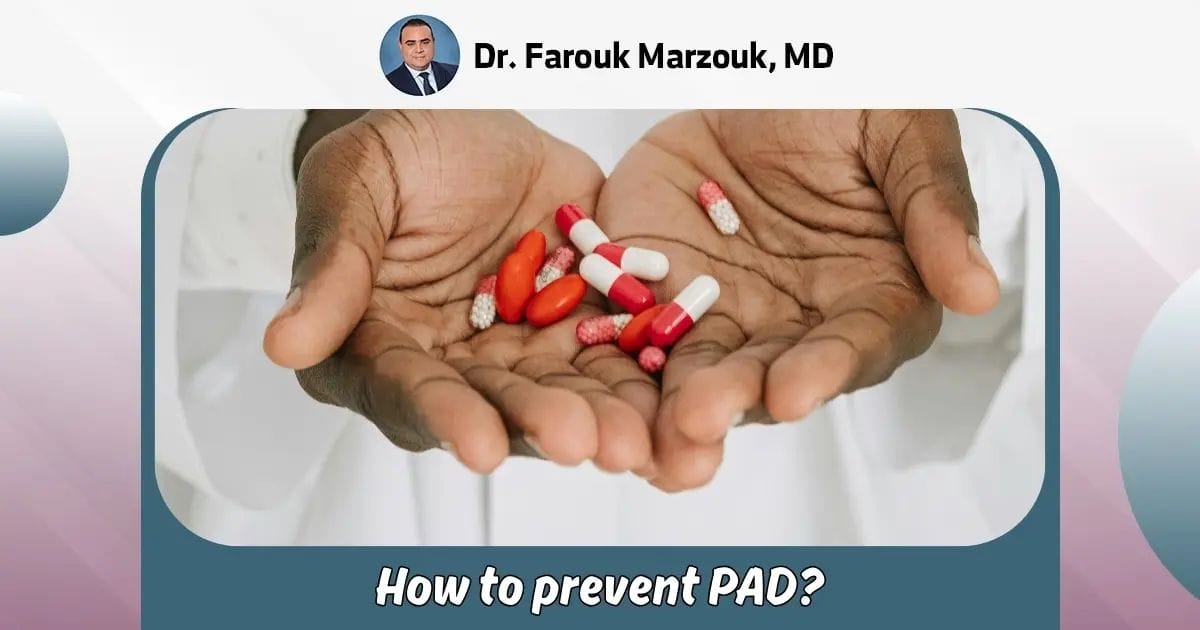
    Medication adherence is essential for individuals at risk. Drugs prescribed to manage cholesterol, blood pressure, or blood clot formation help prevent arterial damage and reduce disease progression of PVD vs PAD.

    For patients with walking-related leg pain, specific medications may improve circulation and walking distance when combined with exercise therapy.

    By combining lifestyle changes, physical activity, proper nutrition, and medical management, many people can successfully reduce their risk and maintain better vascular health over time.

    Tips To Slow Down PAD

    Slowing down peripheral artery disease starts with daily decisions that protect blood flow and keep the arteries as open as possible. Learning how to prevent PAD at this stage means focusing on reducing stress on the blood vessels and improving circulation before symptoms become severe.

    • Regular walking

    Staying physically active is one of the strongest tools available. Regular walking with The best exercise for peripheral artery disease encourages the body to form small alternative blood pathways and trains the leg muscles to function better with limited oxygen.

    Over time, this improves endurance and reduces leg discomfort. Even short, consistent walks with rest breaks can make a meaningful difference in slowing disease progression.

    • Nutrition

    Nutrition and peripheral artery disease diet plan directly affects artery health. Since plaque buildup is closely linked to unhealthy cholesterol levels, shifting toward whole, unprocessed foods helps protect the arteries.

    Meals rich in vegetables, fruits, whole grains, fish, and healthy oils support vascular function, while limiting fried foods and fatty meats reduces further narrowing of the arteries.This approach is a core part of how to prevent peripheral vascular disease from advancing.

    • Diabetes Control

    Blood sugar control is especially important for people with diabetes. Elevated glucose damages blood vessels and increases the risk of foot ulcers and poor healing. Managing diabetes with best sleeping position for peripheral artery disease through diet, medication, and regular monitoring lowers complications and supports better circulation in the legs.

    Tips To Slow Down PAD

    • Foot Care

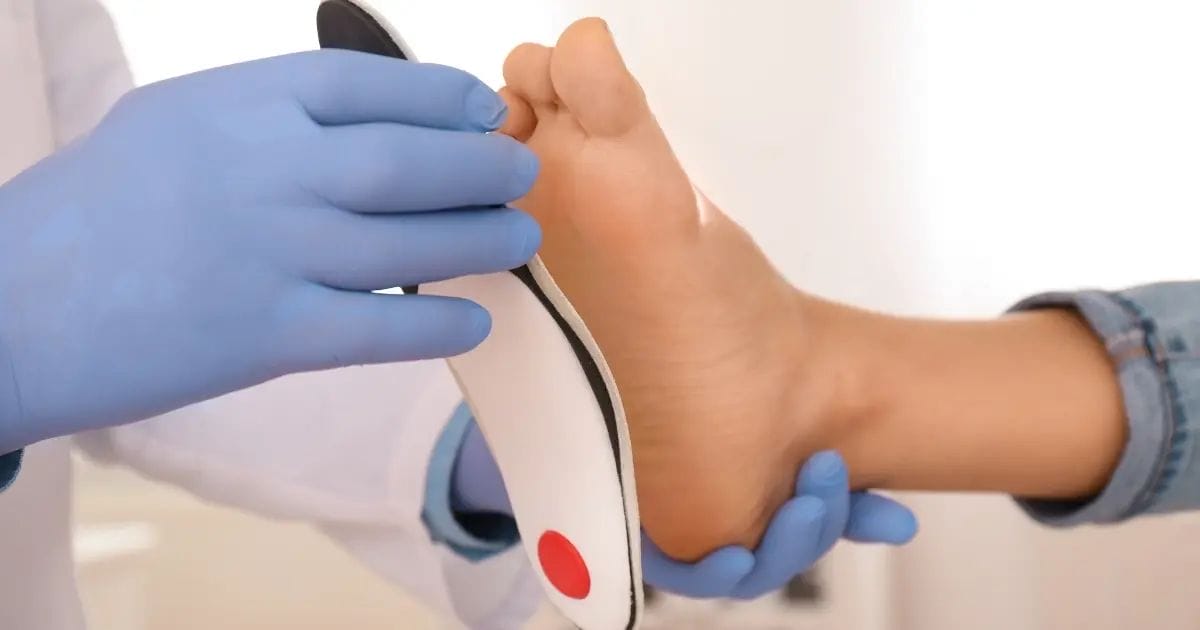
    Daily foot care is often underestimated but critical. Reduced blood flow means injuries may heal slowly or go unnoticed. Checking the feet daily, wearing supportive footwear, and addressing cuts or infections early are essential steps to prevent serious problems.

    These habits reinforce long-term strategies for how to prevent PAD complications with the best shoes for peripheral artery disease

    PAD Treatments Procedures

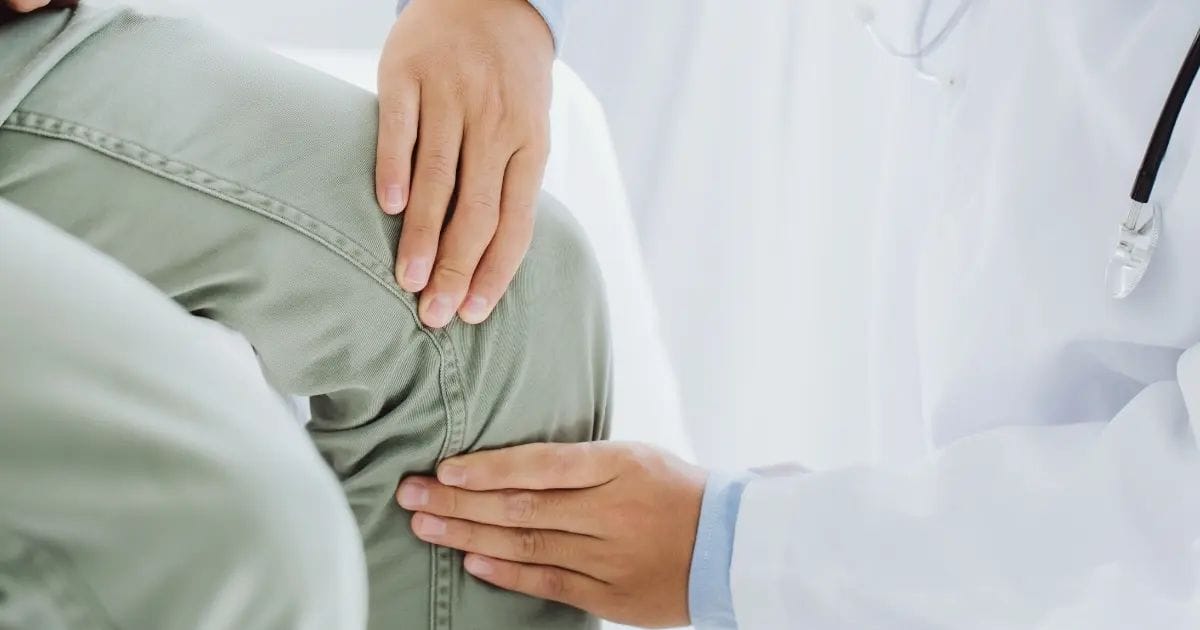
    When lifestyle changes and medications are not enough, PAD treatments procedures may be necessary to restore blood flow and prevent complications. The choice of treatment depends on symptom severity, artery location, and overall health.

    Minimally invasive procedures

    Minimally invasive procedures are often the first option. Angioplasty involves inserting a thin catheter into the narrowed artery and inflating a small balloon to widen it. In some cases, a stent is placed to keep the artery open and maintain steady blood flow.

    These procedures as PAD Angioplasty help reduce leg pain, improve walking ability, and lower the risk of tissue damage.

    Atherectomy 

    Another option is atherectomy, a technique used to remove plaque directly from the artery. A specialized catheter trims and clears the fatty buildup, improving circulation without the need for large surgical incisions.

    Also Read: balloon angioplasty vs stent

    Bypass Surgery 

    For advanced PAD with long or complete blockages, bypass surgery may be required. This procedure reroutes blood around the blocked artery using a healthy vein from another part of the body, restoring blood supply to the leg and preventing limb-threatening complications.

    Dr. Farouk Marzouk provider will evaluate all options and recommend the most appropriate treatment based on individual needs.
    PAD Treatments Procedures

    How To Reduce PAD Risk?

    Understanding how to prevent PAD starts with controlling the main risk factors that damage blood vessels over time. These same steps are also key to how to prevent peripheral vascular disease in people who have not yet developed symptoms.

    1. Quitting smoking is one of the most effective ways to reduce PAD risk. Smoking accelerates artery narrowing and significantly increases the risk of heart attack, stroke, and limb complications, also Read: vaping and peripheral artery disease.
    2. Staying physically active helps improve circulation and strengthens blood vessels. Regular walking, even with short rest periods, can improve blood flow to the legs and reduce early symptoms.
    3. Healthy nutrition plays a central role. A diet low in saturated and trans fats supports healthy cholesterol levels, while fruits, vegetables, whole grains, lean proteins, and healthy fats help protect the arteries.
    4. Managing chronic conditions such as high blood pressure, high cholesterol, and type 2 diabetes is essential. Keeping blood sugar within target ranges reduces vascular damage and improves long-term outcomes.

    How To Reverse PAD In Legs?

    The short answer to is peripheral arterial disease reversible is: PAD cannot always be completely reversed, early and consistent management can significantly improve symptoms and slow or stop disease progression:

    • Lifestyle changes are the foundation. Regular supervised or home-based walking programs help train muscles to use oxygen more efficiently, reducing leg pain and increasing walking distance.
    • Medications may be prescribed to improve blood flow, lower cholesterol, control blood pressure, or prevent clot formation. These treatments support artery health and reduce the risk of sudden blockages.
    • In moderate to severe cases, interventional procedures such as angioplasty, stenting, or atherectomy can restore circulation and relieve symptoms. For advanced disease, bypass surgery may be necessary to preserve limb function.
    • Following medical advice closely and attending regular follow-up visits are critical parts of managing PAD effectively and preventing complications with Pain Relief For PAD

    Importance Of Learning How To Prevent PAD

    Understanding how to prevent PAD is a critical step in protecting long-term vascular health, especially for older adults and people with chronic conditions. Peripheral Artery Disease develops gradually as arteries narrow and blood flow to the legs becomes limited, often without early warning signs.

    Learning how to prevent peripheral vascular disease helps reduce the risk of leg pain, poor wound healing, mobility loss, and serious complications such as heart attack or stroke and learn can peripheral artery disease cause dizziness.

    Prevention focuses on early detection, healthy lifestyle habits, and proper medical guidance. When risk factors like smoking, diabetes, high cholesterol, and high blood pressure are addressed early, disease progression can often be slowed or avoided.

    Knowing how to prevent PAD also empowers patients to seek care before symptoms become severe, improving outcomes and quality of life.
    How To Reverse PAD In Legs?

    Best Doctor For PAD Prevention

    Choosing the best doctor plays a vital role in understanding how to prevent PAD and reduce the risk of disease progression. A skilled vascular specialist focuses not only on treatment, but also on early diagnosis, personalized risk management, and long-term artery health.

    Dr. Farouk Marzouk is a highly experienced vascular surgeon in Brooklyn with a strong focus on PAD prevention, especially in elderly patients:

    • He uses advanced diagnostic tools such as ABI testing, Doppler ultrasound, and angiography to identify circulation issues early, supporting effective how to prevent peripheral vascular disease strategies.
    • Dr. Marzouk offers minimally invasive, low-risk procedures when needed, prioritizing safety, comfort, and faster recovery.
    • Each patient receives a customized care plan aimed at improving blood flow, reducing leg pain, preserving mobility, and preventing disease progression.

    Book your appointment today with Dr. Farouk Marzouk and get back to living without the limitations of PAD.

    Conclusion

    How to prevent PAD starts with awareness, consistency, and early action. While peripheral artery disease cannot always be completely avoided, managing risk factors such as smoking, physical inactivity, poor nutrition, diabetes, and high blood pressure can make a meaningful difference.

    Understanding how to prevent peripheral vascular disease empowers patients to protect their circulation, reduce leg pain, and lower the risk of serious complications like ulcers, mobility loss, heart attack, or stroke.

    With the right lifestyle changes, proper medical follow-up, and expert vascular care, PAD can often be controlled before it limits daily life. Early prevention is not just about avoiding disease it’s about preserving independence, mobility, and long-term vascular health.

    FAQs

    Can peripheral artery disease be prevented?

    Yes, in many cases PAD can be prevented or delayed. Reducing risk factors such as smoking, poor diet, physical inactivity, and uncontrolled diabetes or high blood pressure helps protect the arteries. Regular checkups and early screening are also important, especially for older adults or people with a family history of vascular disease.

    What are the main causes of PAD?

    PAD is mainly caused by plaque buildup inside the arteries, which reduces blood flow to the legs. Common causes include smoking, high cholesterol, high blood pressure, diabetes, aging, and a sedentary lifestyle. Over time, these factors damage the artery walls and lead to narrowing or blockage.

    How do I stop my PAD from progressing?

    Stopping PAD progression focuses on lifestyle changes and medical follow-up. Quitting smoking, staying physically active, eating a heart-healthy diet, and controlling blood sugar, cholesterol, and blood pressure are key steps. Taking prescribed medications and following your doctor’s advice also help slow the disease and prevent complications.

    How do you get rid of PAD naturally?

    PAD usually cannot be completely cured naturally, but symptoms can improve with healthy habits. Regular walking, weight management, balanced nutrition, and stress reduction can enhance blood flow and reduce leg pain. These natural approaches work best when combined with medical guidance and ongoing monitoring.

    Updated:

    How To Prevent PAD With Dr. Farouk Marzouk

    How to prevent PAD

    How to prevent PAD is one of the most common questions among adults concerned about leg pain, poor circulation, and long-term heart health. Peripheral artery disease often develops silently, making prevention and early control essential before serious symptoms appear.

    With the right lifestyle habits, medical guidance, and early risk management, many people can significantly reduce their chances of developing PAD or slow its progression.

    This guide explains practical, medically supported steps to help you understand how to prevent PAD, improve circulation, and maintain healthy blood flow to your legs over time.

    Can PAD Be Prevented

    Peripheral artery disease cannot always be completely avoided, but in many cases it can be delayed, controlled, or prevented from getting worse. Early risk management plays a major role. Focusing on heart-healthy habits, controlling chronic conditions, and following medical advice can significantly lower the chance of developing PAD or slow its progression.

    Understanding how to prevent PAD starts with addressing the factors that damage blood vessels over time, such as smoking, poor circulation, high cholesterol, and inactivity.

    How To Prevent PAD?

    Knowing how to prevent peripheral vascular disease involves consistent lifestyle choices rather than quick fixes:

    Smoking cessation

    Smoking cessation is one of the most effective preventive steps, as tobacco directly damages blood vessels and accelerates artery narrowing. Quitting smoking improves circulation, reduces inflammation, and lowers the risk of PAD-related complications like heart attack and stroke.

    Physical activity

    Regular physical activity is another key pillar in learning how to prevent PAD. Structured walking programs and leg-focused exercises help improve blood flow and train the muscles to use oxygen more efficiently. Even when leg discomfort occurs, guided walking with rest intervals has been shown to reduce symptoms and enhance mobility over time.

    Also Read: How Does Smoking Cause Peripheral Artery Disease?

    Can PAD Be Prevented

    Good Diet

    Nutrition also plays a critical role in preventing peripheral vascular disease. A balanced diet rich in vegetables, fruits, whole grains, lean proteins, and healthy fats supports artery health and helps control cholesterol levels. Reducing saturated fats, trans fats, excess sodium, and added sugars protects blood vessels and lowers cardiovascular risk, which is closely linked to PAD.

    Medication

    Medication adherence is essential for individuals at risk. Drugs prescribed to manage cholesterol, blood pressure, or blood clot formation help prevent arterial damage and reduce disease progression of PVD vs PAD.

    For patients with walking-related leg pain, specific medications may improve circulation and walking distance when combined with exercise therapy.

    By combining lifestyle changes, physical activity, proper nutrition, and medical management, many people can successfully reduce their risk and maintain better vascular health over time.

    Tips To Slow Down PAD

    Slowing down peripheral artery disease starts with daily decisions that protect blood flow and keep the arteries as open as possible. Learning how to prevent PAD at this stage means focusing on reducing stress on the blood vessels and improving circulation before symptoms become severe.

    • Regular walking

    Staying physically active is one of the strongest tools available. Regular walking with The best exercise for peripheral artery disease encourages the body to form small alternative blood pathways and trains the leg muscles to function better with limited oxygen.

    Over time, this improves endurance and reduces leg discomfort. Even short, consistent walks with rest breaks can make a meaningful difference in slowing disease progression.

    • Nutrition

    Nutrition and peripheral artery disease diet plan directly affects artery health. Since plaque buildup is closely linked to unhealthy cholesterol levels, shifting toward whole, unprocessed foods helps protect the arteries.

    Meals rich in vegetables, fruits, whole grains, fish, and healthy oils support vascular function, while limiting fried foods and fatty meats reduces further narrowing of the arteries.This approach is a core part of how to prevent peripheral vascular disease from advancing.

    • Diabetes Control

    Blood sugar control is especially important for people with diabetes. Elevated glucose damages blood vessels and increases the risk of foot ulcers and poor healing. Managing diabetes with best sleeping position for peripheral artery disease through diet, medication, and regular monitoring lowers complications and supports better circulation in the legs.

    Tips To Slow Down PAD

    • Foot Care

    Daily foot care is often underestimated but critical. Reduced blood flow means injuries may heal slowly or go unnoticed. Checking the feet daily, wearing supportive footwear, and addressing cuts or infections early are essential steps to prevent serious problems.

    These habits reinforce long-term strategies for how to prevent PAD complications with the best shoes for peripheral artery disease

    PAD Treatments Procedures

    When lifestyle changes and medications are not enough, PAD treatments procedures may be necessary to restore blood flow and prevent complications. The choice of treatment depends on symptom severity, artery location, and overall health.

    Minimally invasive procedures

    Minimally invasive procedures are often the first option. Angioplasty involves inserting a thin catheter into the narrowed artery and inflating a small balloon to widen it. In some cases, a stent is placed to keep the artery open and maintain steady blood flow.

    These procedures as PAD Angioplasty help reduce leg pain, improve walking ability, and lower the risk of tissue damage.

    Atherectomy 

    Another option is atherectomy, a technique used to remove plaque directly from the artery. A specialized catheter trims and clears the fatty buildup, improving circulation without the need for large surgical incisions.

    Also Read: balloon angioplasty vs stent

    Bypass Surgery 

    For advanced PAD with long or complete blockages, bypass surgery may be required. This procedure reroutes blood around the blocked artery using a healthy vein from another part of the body, restoring blood supply to the leg and preventing limb-threatening complications.

    Dr. Farouk Marzouk provider will evaluate all options and recommend the most appropriate treatment based on individual needs.

    PAD Treatments Procedures

    How To Reduce PAD Risk?

    Understanding how to prevent PAD starts with controlling the main risk factors that damage blood vessels over time. These same steps are also key to how to prevent peripheral vascular disease in people who have not yet developed symptoms.

    1. Quitting smoking is one of the most effective ways to reduce PAD risk. Smoking accelerates artery narrowing and significantly increases the risk of heart attack, stroke, and limb complications, also Read: vaping and peripheral artery disease.
    2. Staying physically active helps improve circulation and strengthens blood vessels. Regular walking, even with short rest periods, can improve blood flow to the legs and reduce early symptoms.
    3. Healthy nutrition plays a central role. A diet low in saturated and trans fats supports healthy cholesterol levels, while fruits, vegetables, whole grains, lean proteins, and healthy fats help protect the arteries.
    4. Managing chronic conditions such as high blood pressure, high cholesterol, and type 2 diabetes is essential. Keeping blood sugar within target ranges reduces vascular damage and improves long-term outcomes.

    How To Reverse PAD In Legs?

    The short answer to is peripheral arterial disease reversible is: PAD cannot always be completely reversed, early and consistent management can significantly improve symptoms and slow or stop disease progression:

    • Lifestyle changes are the foundation. Regular supervised or home-based walking programs help train muscles to use oxygen more efficiently, reducing leg pain and increasing walking distance.
    • Medications may be prescribed to improve blood flow, lower cholesterol, control blood pressure, or prevent clot formation. These treatments support artery health and reduce the risk of sudden blockages.
    • In moderate to severe cases, interventional procedures such as angioplasty, stenting, or atherectomy can restore circulation and relieve symptoms. For advanced disease, bypass surgery may be necessary to preserve limb function.
    • Following medical advice closely and attending regular follow-up visits are critical parts of managing PAD effectively and preventing complications with Pain Relief For PAD

    Importance Of Learning How To Prevent PAD

    Understanding how to prevent PAD is a critical step in protecting long-term vascular health, especially for older adults and people with chronic conditions. Peripheral Artery Disease develops gradually as arteries narrow and blood flow to the legs becomes limited, often without early warning signs.

    Learning how to prevent peripheral vascular disease helps reduce the risk of leg pain, poor wound healing, mobility loss, and serious complications such as heart attack or stroke and learn can peripheral artery disease cause dizziness.

    Prevention focuses on early detection, healthy lifestyle habits, and proper medical guidance. When risk factors like smoking, diabetes, high cholesterol, and high blood pressure are addressed early, disease progression can often be slowed or avoided.

    Knowing how to prevent PAD also empowers patients to seek care before symptoms become severe, improving outcomes and quality of life.

    How To Reverse PAD In Legs?

    Best Doctor For PAD Prevention

    Choosing the best doctor plays a vital role in understanding how to prevent PAD and reduce the risk of disease progression. A skilled vascular specialist focuses not only on treatment, but also on early diagnosis, personalized risk management, and long-term artery health.

    Dr. Farouk Marzouk is a highly experienced vascular surgeon in Brooklyn with a strong focus on PAD prevention, especially in elderly patients:

    • He uses advanced diagnostic tools such as ABI testing, Doppler ultrasound, and angiography to identify circulation issues early, supporting effective how to prevent peripheral vascular disease strategies.
    • Dr. Marzouk offers minimally invasive, low-risk procedures when needed, prioritizing safety, comfort, and faster recovery.
    • Each patient receives a customized care plan aimed at improving blood flow, reducing leg pain, preserving mobility, and preventing disease progression.

    Book your appointment today with Dr. Farouk Marzouk and get back to living without the limitations of PAD.

    Conclusion

    How to prevent PAD starts with awareness, consistency, and early action. While peripheral artery disease cannot always be completely avoided, managing risk factors such as smoking, physical inactivity, poor nutrition, diabetes, and high blood pressure can make a meaningful difference.

    Understanding how to prevent peripheral vascular disease empowers patients to protect their circulation, reduce leg pain, and lower the risk of serious complications like ulcers, mobility loss, heart attack, or stroke.

    With the right lifestyle changes, proper medical follow-up, and expert vascular care, PAD can often be controlled before it limits daily life. Early prevention is not just about avoiding disease it’s about preserving independence, mobility, and long-term vascular health.

    FAQs

    Can peripheral artery disease be prevented?

    Yes, in many cases PAD can be prevented or delayed. Reducing risk factors such as smoking, poor diet, physical inactivity, and uncontrolled diabetes or high blood pressure helps protect the arteries. Regular checkups and early screening are also important, especially for older adults or people with a family history of vascular disease.

    What are the main causes of PAD?

    PAD is mainly caused by plaque buildup inside the arteries, which reduces blood flow to the legs. Common causes include smoking, high cholesterol, high blood pressure, diabetes, aging, and a sedentary lifestyle. Over time, these factors damage the artery walls and lead to narrowing or blockage.

    How do I stop my PAD from progressing?

    Stopping PAD progression focuses on lifestyle changes and medical follow-up. Quitting smoking, staying physically active, eating a heart-healthy diet, and controlling blood sugar, cholesterol, and blood pressure are key steps. Taking prescribed medications and following your doctor’s advice also help slow the disease and prevent complications.

    How do you get rid of PAD naturally?

    PAD usually cannot be completely cured naturally, but symptoms can improve with healthy habits. Regular walking, weight management, balanced nutrition, and stress reduction can enhance blood flow and reduce leg pain. These natural approaches work best when combined with medical guidance and ongoing monitoring.