
Is PAD hereditary? It’s one of the most common questions patients in the U.S search for when trying to understand their risk for peripheral artery disease. While is peripheral artery disease hereditary and is PAD genetic are concerns many families share, the truth is more balanced: genes can influence your risk, but lifestyle remains the biggest driving force.
This friendly guide explains how family history plays a role, what truly raises your chances of PAD, and how you can actively prevent the disease even if it runs in your family.
Is Pad Hereditary?
A common question many patients ask is: Is PAD hereditary? The short and accurate answer is that peripheral artery disease is not directly inherited in the way that eye color or blood type is. However, having a family history of PAD or cardiovascular disease can significantly raise your chances of developing it.
Genetics can make some people more vulnerable to artery damage, poor circulation, and plaque buildup. This means you may inherit a tendency toward vascular disease, but the disease itself does not pass automatically from parent to child.
Your personal lifestyle choices still play the biggest role in whether PAD actually develops.
Is PAD Disease Genetic?
When people ask is peripheral artery disease hereditary, they are often really asking whether genes influence the disease. The medical answer is yes genetics can affect your risk, but they are only one piece of the picture.
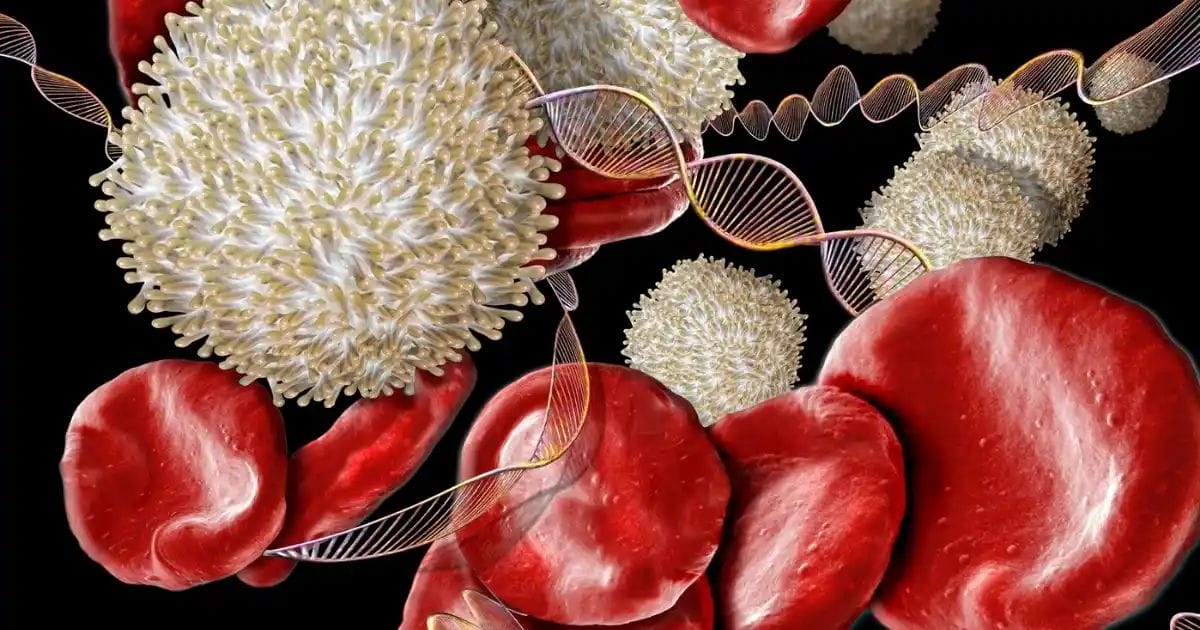
Scientific research shows that certain gene variations can influence how your arteries function, how your blood flows, and how likely plaque is to build up inside the vessels.
Some people are born with genes that make their blood more likely to clot or their cholesterol levels easier to rise, both of which can contribute to PAD over time.
However, genes alone are never the main cause. Most people who develop PAD also have other major risk factors such as smoking, diabetes, high blood pressure, or high cholesterol. Even if you carry genetic risk, healthy habits can dramatically lower your chance of disease progression.
Does PAD Run In Families?
So, does PAD run in families? In many cases, yes but indirectly. Families often share the same genetic tendencies, medical conditions, and lifestyle habits. If close relatives have PAD, heart disease, or stroke, your own risk becomes higher.
Conditions that commonly cluster in families and increase PAD risk include:
- High blood pressure
- High cholesterol
- Diabetes
- Blood clotting disorders
- History of heart attack or stroke
In addition, smoking habits, diet patterns, and activity levels are often similar within families. This shared environment can quietly increase the risk across generations, even when the disease itself is not strictly inherited.
Also Read: How Does Smoking Cause Peripheral Artery Disease?

Risk Factors For Peripheral Artery Disease
Many people ask whether Is PAD hereditary or related mainly to lifestyle. The truth is that peripheral artery disease usually develops due to a combination of genetic tendency and everyday risk factors. While is PAD genetic can be partially true, the most powerful triggers are still related to how a person lives.
The leading cause of PAD is atherosclerosis, a condition where fatty deposits build up inside the arteries and restrict blood flow. Among all risk factors, smoking remains the strongest and most dangerous contributor because it directly damages blood vessels and speeds up plaque formation.
Other major risk factors include:
- Diabetes, which weakens blood vessels over time and reduces healthy circulation.
- High blood pressure places constant strain on the artery walls, making them thicker and narrower.
- High cholesterol increases fat buildup inside the arteries, further blocking blood flow.
- Obesity increases pressure on the circulatory system and is strongly linked to diabetes and hypertension.
- A sedentary lifestyle weakens circulation and slows blood movement in the legs.
- Age also plays an important role, as PAD becomes more common after age 50 and increases further after 65.
- Certain groups are affected more often, including African Americans and some Native American populations.
- Medical conditions such as kidney disease, blood clot disorders, and fibromuscular dysplasia can also raise PAD risk and affect is peripheral arterial disease reversible
- Even when people wonder is PAD inherited, these acquired risk factors remain the strongest drivers of disease development.
Is PAD Considered A Disability?
PAD can become a disability in some cases, but not all patients qualify automatically. Whether PAD is considered disabling depends on how severe the symptoms are and how much they limit daily life.
Mild PAD may only cause leg pain during walking, known as claudication, which improves with rest. In these cases, most people remain fully functional. However, advanced PAD can lead to constant pain, slow wound healing, ulcers, infections, or even tissue loss. When walking becomes difficult, standing is painful, or work ability is limited, PAD may be classified as a disability under certain medical and legal guidelines.
Patients often ask whether Is PAD hereditary affects disability status. In reality, is PAD genetic or is PAD inherited does not determine disability on its own. What matters most is the degree of blood flow restriction and its impact on physical function even with best shoes for peripheral artery disease
Can A Child Get Peripheral Artery Disease?
PAD is considered an adult vascular disease, and it is extremely rare in children. When people ask is PAD inherited, they often worry about passing it to their children. The good news is that children almost never develop classic PAD, even if a parent has it.
However, children can be born with genetic or congenital blood vessel disorders that affect circulation differently from PAD. In rare cases, early artery damage can appear in teenagers who have severe obesity, uncontrolled diabetes, very high cholesterol, or strong genetic clotting disorders.
So while is PAD genetic can be partly true in terms of inherited risk factors, PAD itself does not usually appear in childhood. The real concern for children of PAD patients is future prevention, not early disease.
Teaching healthy eating habits, encouraging physical activity, and avoiding smoking from a young age are the most effective ways to block PAD from developing later in life.
Also Read: best sleeping position for peripheral artery disease
Can You Develop a PAD Without a Family History?
Many people wonder, Is PAD hereditary, or whether family history is required to develop the disease. The clear medical answer is no you can develop PAD even without any family history at all.
PAD develops when plaque builds up inside the blood vessels and limits blood flow to the legs. This process is mainly driven by smoking, diabetes, high blood pressure, high cholesterol, excess weight, physical inactivity, and aging. These factors can narrow and harden the arteries even in people with no inherited risk.
So although genetics may increase vulnerability in some individuals, lifestyle and chronic health conditions remain the strongest causes of PAD. This also means that PAD is largely preventable, even for those with no family history this show us how serious is a blocked artery in the leg.
How To Prevent PAD For Whom With a Family History?
If you have relatives with PAD or cardiovascular disease, you may ask, Is PAD hereditary and how you can protect yourself. While you cannot change your genes, you can control the factors that determine whether PAD actually develops.
The most important preventive step is:
- Quitting smoking, as tobacco directly damages blood vessels and accelerates plaque buildup.
- Managing blood sugar is critical for people with diabetes, since long-term high glucose levels destroy nerves and blood vessels in the legs.
- Keeping cholesterol under control helps prevent the fatty deposits that lead to blocked arteries.
- Maintaining a healthy body weight reduces strain on the heart and lowers the risk of diabetes, hypertension, and PAD at the same time.
- Regular physical activity improves circulation and strengthens the blood vessels with best exercise for peripheral artery disease
- High blood pressure should also be tightly controlled through diet, exercise, and medication when needed.
Even if is PAD genetic applies in your case, these lifestyle choices can dramatically reduce your chance of ever developing symptoms. Family history increases awareness not destiny.
When To Seek For Medical Help?
Whether or not Is PAD hereditary applies to you, medical attention should not be delayed when warning signs appear. Early diagnosis can prevent severe complications such as ulcers, infections, or even limb loss.
You should contact a doctor if you have risk factors like smoking, diabetes, high cholesterol, or high blood pressure especially if you also have a family history of vascular disease. Screening tests can detect circulation problems long before serious damage occurs.
Also Read: can peripheral artery disease be cured
Seek medical care immediately if you notice:
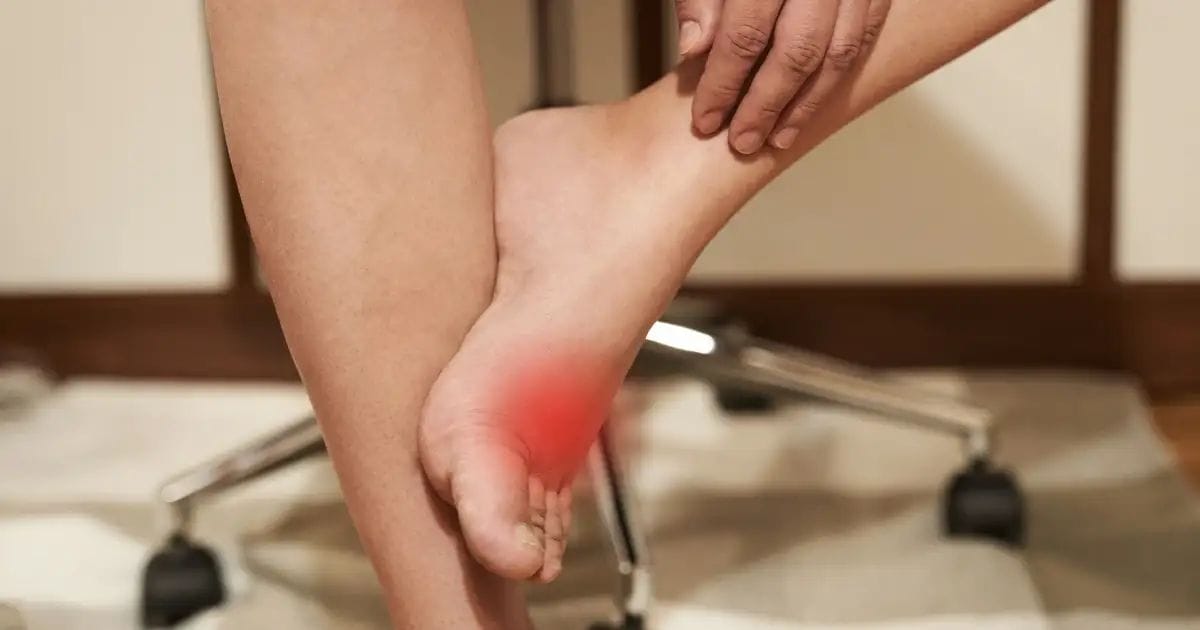
- Leg pain that worsens during walking or exercise.
- Persistent muscle cramps in the thighs, hips, or calves.
- Slow-healing wounds or ulcers on the feet or legs.
- Repeated foot infections.
- Coldness in one leg compared to the rest of the body.
- Hair loss on the legs or slow toenail growth.
These signs often indicate reduced blood flow and should never be ignored. Early treatment can slow PAD progression, improve mobility, and protect overall vascular health.
Restore Healthy Blood Flow with Expert PAD & Angioplasty Care
At Frontier Medical Care, Dr. Farouk Marzouk provides advanced, patient-focused treatment for PAD Angioplasty. Using the latest techniques in angioplasty and stent placement, we help reopen your arteries, improve blood flow, and relieve symptoms caused by reduced circulation.
From early diagnosis to full recovery, our team guides you through every step with personalized care, evidence-based treatment, and a commitment to your long-term vascular health. If you’re experiencing leg pain, cold feet, slow-healing wounds, or any signs of poor circulation, this is the time to take action.
Book your appointment today with Dr. Farouk Marzouk and get back to living without the limitations of PAD.
Conclusion To Is PAD Hereditary
Understanding whether PAD is hereditary gives you a powerful advantage. While genetics and family patterns can raise your risk, they don’t determine your future. What matters most is how you care for your circulation today quitting smoking, staying active, managing blood sugar, and keeping your cholesterol healthy.
Even if is PAD genetic applies to you, early checkups and smart lifestyle habits can protect your arteries for decades. If you notice symptoms like leg pain, cold feet, or slow-healing wounds, don’t wait. Getting evaluated early can prevent serious complications and help you stay active, mobile, and independent.

FAQs on Is Peripheral Artery Disease Hereditary
What is considered the first symptom of peripheral arterial disease?
The first and most common symptom of peripheral artery disease is leg pain when walking, which improves with rest. This pain usually feels like cramping, tightness, or aching in the calf, thigh, or hip. Some people may also notice leg fatigue or heaviness before real pain starts.
Who is most likely to get peripheral artery disease?
People most likely to develop PAD include:
- Smokers
- People with diabetes
- Those with high blood pressure or high cholesterol
- Adults over the age of 50
- People who are overweight or physically inactive
- Anyone with a history of heart disease or stroke
- The risk becomes higher when more than one of these factors is present.
Is there a genetic component to PAD?
Yes, genetics can play a role, but PAD is not a directly inherited disease. Having a family history of PAD or heart disease can increase your risk, but lifestyle factors like smoking, poor diet, and lack of exercise are much stronger causes than genetics alone.
Is peripheral artery disease reversible?
PAD is not fully reversible, but it can be controlled and slowed down. With early diagnosis, healthy lifestyle changes, proper medications, and regular medical care, many people can reduce symptoms, improve blood flow, and prevent serious complications.
At What Age Does Peripheral Artery Disease Typically Start?
PAD usually starts after age 50, and the risk increases significantly after age 65. However, younger people can develop PAD if they smoke, have diabetes, or suffer from severe cholesterol or blood pressure problems.


