
What to Drink to Reduce Swelling in Feet is a common concern for many people who experience discomfort caused by edema. Swelling in the feet can develop due to several reasons. Choosing the right drinks can help reduce fluid retention and improve circulation, while avoiding certain beverages can prevent the swelling from getting worse.
In this article, we’ll highlight the best options for what to drink to reduce swelling in feet, as well as address the question of do electrolytes help with swollen feet and dose parsley tea for swollen feet
What To Drink To Reduce Swelling In Feet Importance?
You should know the answer to what to drink to reduce swelling in feet because research and clinical guidelines show that hydration and certain natural beverages play an important role in fluid balance. Drinking enough water prevents the body from holding on to excess fluid, while limiting salt intake further reduces retention.
In addition, studies at how to reduce swelling in feet highlight that herbal teas such as parsley, green tea, or dandelion may act as mild natural diuretics, helping the kidneys release sodium and water. Anti-inflammatory drinks like turmeric milk, cherry juice, and pineapple juice also support circulation and reduce inflammation, which are key contributors to swelling.
In some cases, swelling in the feet may not only be due to fluid retention but also circulation problems such as varicose veins which can worsen swelling if left untreated. So Dr. Farouk Marzouk at Frontier offer best Varicose Veins treatment in Brooklyn.
Easy Ways to Reduce Your Swollen Ankles
If you’re wondering what to drink to reduce swelling in feet, here are some helpful choices:
- Plenty of Water: Staying hydrated helps the body flush out excess sodium, one of the main causes of fluid retention.
- Anti-Inflammatory Drinks: Turmeric milk, cherry juice, and pineapple juice can all play a role in reducing swelling through their natural compounds. this also an important element in peripheral artery disease diet plan.
- Electrolyte-Rich Drinks: Beverages like coconut water can help maintain the right balance of fluids and electrolytes in the body, reducing the likelihood of swelling.
Do Electrolytes Help With Swollen Feet?
The principles of this guide are; to understand What to Drink to Reduce Swelling in Feet one must understand electrolytes. Potassium, magnesium, and Sodium are some of the electrolytes that are very vital in the formulation of fluids in the body.
When there is too much of these elements, particularly sodium, and too little potassium, one may develop swollen abdomens due to water retention. However, having some electrolyte-containing beverages such as coconut water can help minimize and treat foot swelling.
Low sodium and high potassium content make coconut water ideal for balancing the electrolyte level hence can recommend What to Drink to Reduce Swelling in Feet.
Also Read: Are Compression Socks Good for Peripheral Artery Disease
Do electrolytes help swollen ankles?
Electrolytes can support the management of swollen ankles when the swelling is related to fluid imbalance. Minerals such as potassium and magnesium help regulate how the body retains or releases water, so restoring these levels may ease mild swelling caused by high sodium intake or dehydration.
Drinks like electrolyte-enhanced water or coconut water can help correct these imbalances, but they are not a treatment for swelling caused by circulatory problems, injury, kidney disease, or heart-related conditions. If ankle swelling is persistent, painful, or occurs suddenly, medical evaluation is important to rule out underlying causes that electrolytes alone cannot address.
Tea For Swollen Feet
When dealing with swollen feet or edema as causes of leg pain at night, certain types of herbal tea can be a gentle and natural option to provide relief. These teas often have mild diuretic effects, which means they may help the body release extra fluid and reduce swelling.
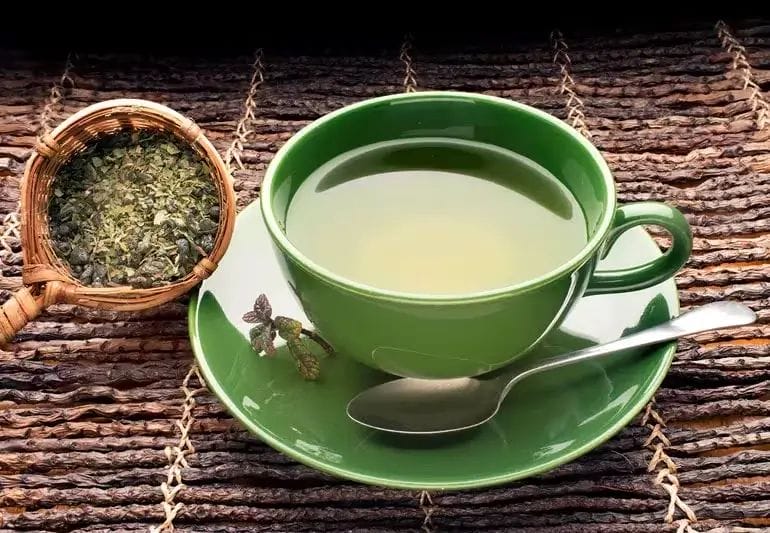
- Parsley Tea for Swollen Feet: Parsley tea is well-known for its natural diuretic properties. By encouraging the body to pass more urine, it can help flush out excess sodium and water, easing fluid retention in the feet.
- Green Tea: Rich in antioxidants and mild anti-inflammatory compounds, green tea may also support fluid balance and circulation, making it a good choice for managing swelling and overall wellness this is how to reduce swelling in feet.
Does Green Tea Help With Water Retention
Many people wonder: does green tea help with water retention? Research suggests that it can. Green tea contains catechins, powerful antioxidants that have mild diuretic and anti-inflammatory effects.
This means it can support the body in reducing extra fluid buildup, while also improving vascular health. For best results, it should be consumed as part of a balanced lifestyle and not as a substitute for medical treatment if water retention is linked to an underlying condition.
Does Coconut Water Help With Swelling?
Coconut water can be helpful for swelling because it’s packed with potassium and electrolytes that balance out extra sodium in the body, one of the main reasons for water retention. It also has natural anti-inflammatory benefits that may ease puffiness and improve circulation. Research even shows that young coconut water reduces swelling in experimental studies.
Best Herbal Tea For Swollen Feet
Herbal teas that help reduce fluid retention and support circulation are often recommended for swollen feet. Ginger tea, parsley tea, and dandelion tea are particularly effective because they act as natural diuretics, helping the body release excess fluid.
Chamomile and peppermint tea may also ease discomfort by reducing mild inflammation and improving overall relaxation, which can support better circulation.
Foods That Reduce Swelling In Legs
Certain foods can support the body’s natural ability to manage fluid retention and inflammation, which are common causes of leg swelling. Foods rich in potassium, such as leafy greens, beans, and sweet potatoes, help regulate sodium levels and prevent excess fluid buildup in the tissues.
Fruits and vegetables that are high in antioxidants, including berries and citrus fruits, may reduce inflammation and improve blood vessel function. Healthy fats found in fish, nuts, and seeds also play a role in supporting circulation, which can help limit swelling in the lower legs when combined with a balanced, low-sodium diet.
Foods That Reduce Swelling In Feet And Ankles
Swelling in the feet and ankles is often influenced by circulation and fluid balance, both of which can be supported through proper nutrition. Fresh fruits and vegetables with high water content help the body eliminate excess fluids naturally.
Foods containing magnesium and fiber, such as whole grains, nuts, and green vegetables, may improve blood flow and reduce inflammation. Limiting highly processed and salty foods is equally important, as excess sodium encourages fluid retention that tends to settle in the ankles and feet, especially after long periods of standing or sitting.
How To Reduce Swelling In Feet Fast?
To bring swelling down quickly, elevate your feet above heart level, apply cold compresses, and gently move your ankles to promote circulation. Wearing compression socks can also help move trapped fluid out of the lower legs.
Staying well-hydrated and avoiding long periods of standing or sitting can provide fast relief. If swelling appears suddenly or is accompanied by pain or redness, medical evaluation is recommended.
Causes and Concerns of Foot Swelling
What to Drink to Reduce Swelling in Feet may vary depending on the cause of the swelling thus What to Drink to Reduce Swelling in Feet may vary as well.
It is important to note that there are many reasons and causes of swollen feet and some of them may point towards serious underlying health problems.
- Some of the common causes include; standing or sitting for most of the time, during summer since the region is closed and the body accumulates fluid.
- These other causes may also include an increase in salt intake, pregnancy as well as taking certain medications.
- Pulmonary embolisms caused by clot formation are severe conditions such as deep vein thrombosis, heart failure, kidney disease, or other chronic diseases.
It is crucial to know what to take or to avoid swelling on the feet which entails understanding What to Drink to Reduce Swelling in Feet, in most cases, a change of the diet, and using the right fluids can help.
Hydration and Its Role in Reducing Swelling
Swelling in the feet is often linked to fluid imbalance in the body. Staying well-hydrated is one of the most effective steps to prevent this issue. When the body is dehydrated, it tends to retain more water, which may worsen swelling.
Drinking enough water each day usually around eight glasses, and more if you are physically active or live in a hot climate helps flush out excess sodium, a common contributor to fluid buildup.
But water is not the only factor. Many patients ask: do electrolytes help with swollen feet? The answer is yes. Electrolytes such as sodium, potassium, magnesium, and calcium play an important role in regulating fluid balance between cells and tissues.
Including drinks with a balanced amount of electrolytes can support proper circulation, reduce fluid retention, and provide relief from swelling in the feet.
Chronic swelling may be a sign of venous disease, and the best option could be treatment for venous insufficiency

Herbal Teas to Combat Foot Swelling
What to Drink to Reduce Swelling in Feet includes certain herbal teas that have natural diuretic properties, which can help reduce swelling by promoting the excretion of excess fluid. You may try simple treatment for swelling of legs and feet before turning to clinical interventions.
Here are a few herbal teas known to be effective:
- Dandelion Tea: Rich in potassium, dandelion tea helps balance fluids and reduce water retention. It also supports liver function, aiding in the detoxification process.
- Ginger Tea: Ginger has anti-inflammatory properties that can reduce swelling and improve circulation, which helps prevent fluid buildup in the feet.
- Green Tea: Known for its high antioxidant content, green tea can help reduce inflammation throughout the body, including the feet.
Anti-Inflammatory Drinks for Swollen Feet
What to Drink to Reduce Swelling in Feet should contain anti-inflammatory drinks as inflammation is the main cause of swelling.
The intake of anti-inflammatory drinks is very helpful when included in the plans and programs for losing weight.
Some effective options include:
- Turmeric Milk (Golden Milk): Turmeric is anti-inflammatory, thanks to curcumin, a compound that may be used to manage swelling.
When mixed with milk and a pinch of black pepper, it turns out to be a perfect sort of warm non-alcoholic beverage that can help in relief from inflammation and swelling. - Cherry Juice: Tart cherries especially contain anthocyanins which have been found to possess great anti-inflammatory properties.
Cherry juice can also be consumed to prevent swelling in the feet due to such conditions as gout or arthritis. - Pineapple Juice: So pineapples contain a useful substance called Bromaline which helps with anti-inflammatory useful in swelling and circulation.
Learn more about: Treatment for Swelling in Legs and Feet

Drinks to Avoid When You Have Swollen Feet
What to Drink to Reduce Swelling in Feet also involves knowing which beverages to avoid, as certain drinks can make swelling worse.
It’s essential to avoid these drinks if you’re dealing with swollen feet:
- Alcohol: Alcoholic beverages can cause dehydration, leading the body to retain water and worsen swelling.
- Sugary Drinks: Drinks high in sugar can lead to weight gain and increase inflammation, both of which can contribute to swelling.
- Caffeinated Beverages: Excessive caffeine can lead to dehydration and electrolyte imbalances, making swelling more likely.
- High-Sodium Drinks: Beverages like sports drinks, unless specifically designed for low sodium, can contribute to increased sodium intake, leading to fluid retention. Now you have the steps to know how to reduce swelling fast in feet with Best Exercise for Peripheral Artery Disease
Swelling In Legs Home Remedies
Home remedies for leg swelling focus on improving circulation, reducing fluid retention, and easing tissue inflammation. Elevating your legs above heart level for 20–30 minutes several times a day encourages trapped fluid to drain naturally.
Gentle compression using medical-grade stockings helps prevent fluid from pooling in the lower limbs. Increasing physical movement especially ankle rotations and short walks stimulates blood flow and lymphatic drainage.
Limiting salty foods, drinking enough water, and applying cool compresses can also reduce swelling effectively at home. These remedies offer relief for mild, non-urgent cases of swelling while supporting overall vascular health.
Foot Swelling Home Remedy
Foot swelling can often be managed with simple, consistent habits that ease pressure on the tissues. Soaking the feet in cool water for 10–15 minutes helps tighten blood vessels and decrease inflammation.
Massaging the feet from the toes upward encourages lymphatic return and reduces stiffness. Resting the feet on a pillow when sleeping or relaxing prevents gravity from worsening fluid buildup. Reducing prolonged standing and choosing supportive footwear with proper arch support are additional home measures that can significantly reduce swelling.
Is Swelling of The Legs Dangerous?
Leg swelling can be harmless in some cases, but it may signal a serious medical issue if it appears suddenly, affects only one leg, or is accompanied by pain, shortness of breath, chest pain, or skin discoloration.
Conditions such as deep vein thrombosis (DVT), heart failure, kidney disease, or chronic venous insufficiency can all cause significant swelling and require urgent evaluation. Persistent or unexplained swelling should never be ignored, as early diagnosis of the underlying cause is crucial for preventing complications.
How To Reduce Swelling In Legs Quickly?
To reduce leg swelling quickly, elevate your legs above heart level and apply cold packs to the swollen areas for short intervals. Wearing compression stockings immediately boosts venous return, while light activity such as ankle flexing and short walks keeps circulation active. Hydrating well and avoiding salty snacks can also accelerate fluid reduction.
If swelling worsens or occurs with symptoms like pain or breathing difficulties, immediate medical attention is necessary rather than relying on quick fixes.
Natural Treatment For Edema In Legs And Feet
Natural management of edema focuses on improving fluid balance and supporting the body’s circulation. Herbal options like dandelion and parsley are known for mild diuretic properties, though they should be used cautiously and with medical guidance. Consuming foods rich in potassium such as bananas, avocados, and spinach helps counteract sodium and regulate fluid levels.
Gentle yoga stretches, lymphatic drainage massage, and regular hydration work together to naturally decrease swelling. These approaches are safest for mild, chronic edema and should be combined with medical evaluation if symptoms persist.
Dietary Changes to Reduce Leg Swelling
You should also know that depending on your diet, the level of swelling may be quite different.
Some of the dietary changes included in Swelling in Legs Home Remedies include the following:
Natural Ways To Cure Swollen Legs:
- Reduce Sodium Intake: With high sodium content in your diet, you may have swollen or may worsen water retention.
Avoid going for foods that are rich in sodium, these foods include processed foods, soup in a tin, and foods from fast food joints. Rather, one should go for greens, vitamin and mineral-rich foods, lean meats, and whole grains based premise nourishment. - Stay Hydrated: It is important to take a lot of water so that it can be able to flush out any remaining sodium and or other toxins in the body.
Proper hydration also helps the body to avoid retaining fluids that are not necessary. - Increase Potassium-Rich Foods: It also assists in maintaining the levels of sodium in the body hence supporting fluid balance.
Potassium-containing foods like bananas, sweet potatoes, spinach, and avocados will also go a long way in reducing swelling. - Limit Caffeine and Alcohol: Caffeine and alcohol also lead to dehydration and thus when the body is in a desperate bid to get water it leads to some of the tissues swelling. That is why moderation helps to avoid the negative impacts of vehicle use.
- Include Anti-Inflammatory Foods: This entry will show foods with an inflammatory rating, which can help with swelling and inflammation in the legs; these include berries, fatty fish, turmeric, and green tea.
Making these dietary changes can be simple and effective Swelling in Legs Home Remedies, particularly if swelling is related to lifestyle factors.
Does Drinking Water Help With Swelling
Drinking enough water can help reduce swelling rather than worsen it. When the body is dehydrated, it tends to hold onto fluids as a protective response, which may lead to swelling in the legs, feet, or hands. Adequate hydration supports kidney function and helps the body flush out excess sodium, a key contributor to fluid retention.
Maintaining consistent water intake throughout the day can help restore proper fluid balance and reduce mild swelling, particularly when combined with a low-salt diet.
Can Soda Cause Swelling In Feet?
Regular consumption of soda may contribute to swelling in the feet due to its high sugar and sodium content. Excess sugar can increase inflammation in the body, while sodium encourages fluid retention, both of which can lead to swelling in the lower extremities.
Carbonated soft drinks also offer little nutritional value and may replace healthier fluids like water. Reducing soda intake and choosing unsweetened beverages can help decrease inflammation and support better fluid balance over time.
When to Seek Medical Help
While Swelling in Legs Home Remedies can be effective for managing mild to moderate leg swelling, it’s important to recognize when medical help is needed.
You should seek medical attention if:
- Swelling is Severe or Sudden: Sudden or severe swelling in one or both legs could indicate a serious condition, such as a blood clot, and requires immediate medical attention.
- Swelling is Persistent: If the swelling does not improve with Swelling in Legs Home Remedies or continues to worsen, it could be a sign of an underlying medical condition that needs treatment.
- Accompanied by Other Symptoms: If swelling is accompanied by pain, redness, warmth, or shortness of breath, it could indicate an infection or a more serious issue, such as deep vein thrombosis.
- Related to a Medical Condition: If you have a medical condition, such as heart disease, kidney disease, or liver disease, and you experience swelling, it’s important to consult with your healthcare provider to manage the condition effectively.
Conclusion
What to Drink to Reduce Swelling in Feet, various aspects have to be addressed and drinks are one of them.
By organizing your drink intake based on the principles that minimize swelling and increase comfort, you can ensure you drink healthy, anti-inflammatory, and/or electrolyte-filled drinks while avoiding the infamous fluid retainer to the max. Nevertheless, one should seek a doctor to check out for any severe causes of swelling that may exist in a person.
Don’t wait for swelling or vein problems to get worse. Protect your vascular health today by booking a consultation with Dr. Farouk Marzouk at Frontier Vascular Center in Brooklyn, NY, and take the first step toward safe and effective treatment.
FAQs
What not to eat if you have swollen feet?
To reduce swelling in your feet, it’s best to stay away from high-sodium foods like canned meals, fast food, chips, and pickles since they make the body hold onto water. Added sugars and sweetened drinks can also trigger inflammation and worsen the swelling. Refined carbs such as white bread, pasta, and rice can spike blood sugar, which may add to the problem. Processed meats and greasy fried foods are other common culprits.
What to drink for swollen feet?
Hydrating drinks help your kidneys flush excess sodium and fluid. Water is the most effective, but herbal teas like ginger, dandelion, or parsley tea can also support natural fluid balance. Coconut water and lemon water provide electrolytes that reduce water retention.
Is green tea good for swollen feet?
Yes, green tea can be helpful. It contains antioxidants and mild diuretic properties that support the body’s ability to release extra fluid. While it’s not a quick cure, drinking green tea regularly may gradually reduce puffiness and support overall circulation.
What to drink for swollen ankles?
Dandelion tea, ginger tea, and warm lemon water can help reduce ankle swelling by promoting fluid movement and reducing inflammation. Adequate plain water intake is essential, as dehydration can paradoxically make swelling worse.
What can I drink to reduce swelling in my legs?
To reduce leg swelling, choose drinks that support hydration and natural detoxification. Water, coconut water, lemon-infused water, and antioxidant-rich teas such as green tea, hibiscus tea, and parsley tea are good options. These help balance electrolytes, decrease fluid retention, and support healthy circulation.
What vitamin is good for swollen feet?
Several nutrients may help with swollen feet. Magnesium is important because low levels can lead to fluid retention. Potassium supports balance between sodium and fluids, helping to reduce puffiness. Vitamin B1 (thiamine) can aid circulation and fluid regulation, while vitamin C supports blood vessel health and lowers inflammation. Supplements should always be taken under medical advice.
Is parsley tea good for swollen feet?
Parsley tea may help reduce swollen feet because it acts as a natural mild diuretic, encouraging the body to release excess fluid through the kidneys. Its antioxidant and anti-inflammatory compounds can also support overall fluid balance and help ease mild water retention. While parsley tea can offer gentle relief for swelling related to high salt intake, prolonged standing, or hormonal changes, it is not a treatment for swelling caused by heart, kidney, or circulation problems.


