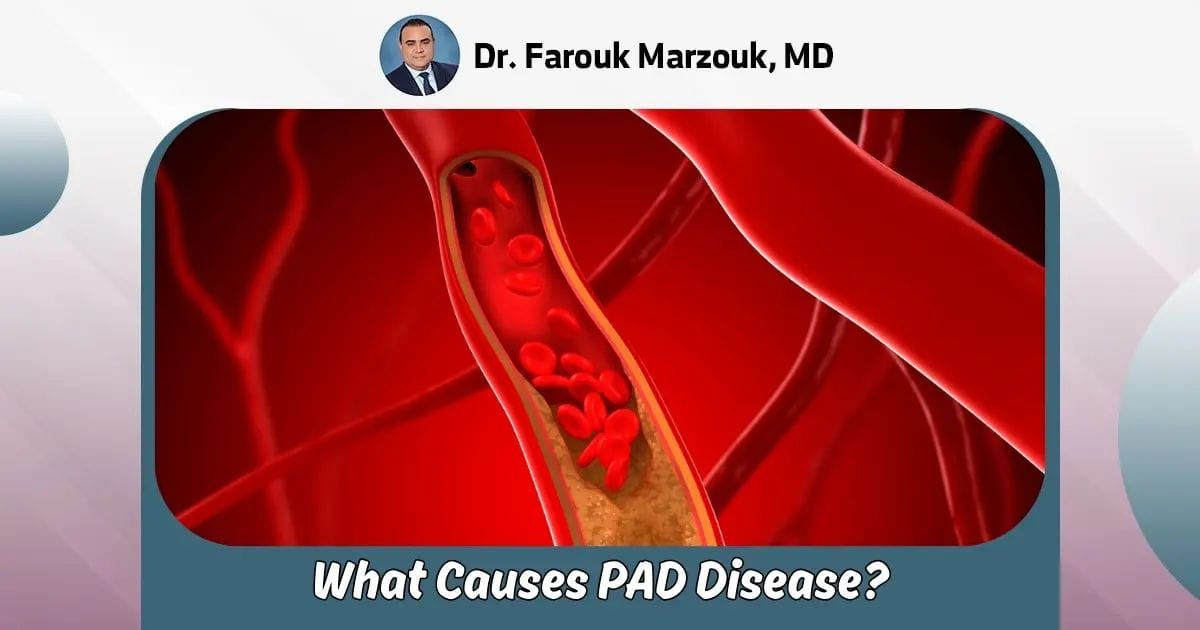
What causes PAD is one of the most common questions people ask after experiencing leg pain, cramping, or circulation problems. Peripheral artery disease (PAD) develops gradually when the arteries that carry blood to the legs become narrowed or damaged, limiting the flow of oxygen-rich blood to muscles and tissues.
Understanding what causes peripheral artery disease helps explain why symptoms often start during walking or physical activity and may worsen over time if left untreated. Early awareness plays a key role in protecting mobility, preventing complications, and improving long-term vascular health.
What Causes PAD Disease?
Peripheral artery disease (PAD) is caused by progressive narrowing of the arteries that supply blood to the limbs. When explaining what causes PAD, the underlying problem is long-term damage to the arterial walls, which allows plaque to accumulate and restrict blood flow.
The main causes include:
- Atherosclerosis, where fatty deposits build up inside the arteries and reduce circulation.
- Chronic inflammation within blood vessels, leading to stiffness and loss of elasticity.
- Reduced oxygen delivery to muscles and tissues, especially during physical activity.
- Gradual worsening of blood flow over time rather than a sudden blockage.
What Causes Peripheral Artery Disease In Legs?
The legs are the most frequently affected area because they require increased blood flow during movement. What causes peripheral artery disease in legs is the progressive restriction of blood supply to lower-extremity muscles.
This occurs due to:
- Narrowing of arteries supplying the thighs, calves, and feet.
- Inadequate blood flow during walking or exercise.
- Increased oxygen demand that cannot be met by restricted vessels.
- Advanced arterial blockage that may reduce circulation even at rest.

What Are Symptoms of PAD?
The symptoms of peripheral artery disease vary depending on how much blood flow is reduced. Understanding what causes PAD helps explain why symptoms often appear gradually.
When arteries narrow, muscles and tissues receive less oxygen, especially during activity. Common symptoms include:
- Muscle pain, cramping, or fatigue during walking or exercise.
- Symptoms that improve with rest and return with movement.
- Coldness or temperature changes in the lower limbs.
- Slow-healing wounds or sores.
- Changes in skin color or texture due to poor circulation.
Also Read: Is PAD Hereditary?
What Are The Symptoms Of PAD In The Legs?
Because the legs require increased blood flow for movement, they are the most affected area. The symptoms in the legs are closely linked to what causes peripheral artery disease, which is restricted circulation.
Typical leg-related symptoms include:
- Cramping or tightness in the calves, thighs, or hips.
- Leg pain triggered by walking uphill or long distances.
- Weakness or heaviness in the legs.
- Numbness or tingling caused by reduced oxygen supply.
- In advanced cases, pain may occur even at rest.
Also Read: Is PAD dangerous?
What Does PAD Pain Feel Like?
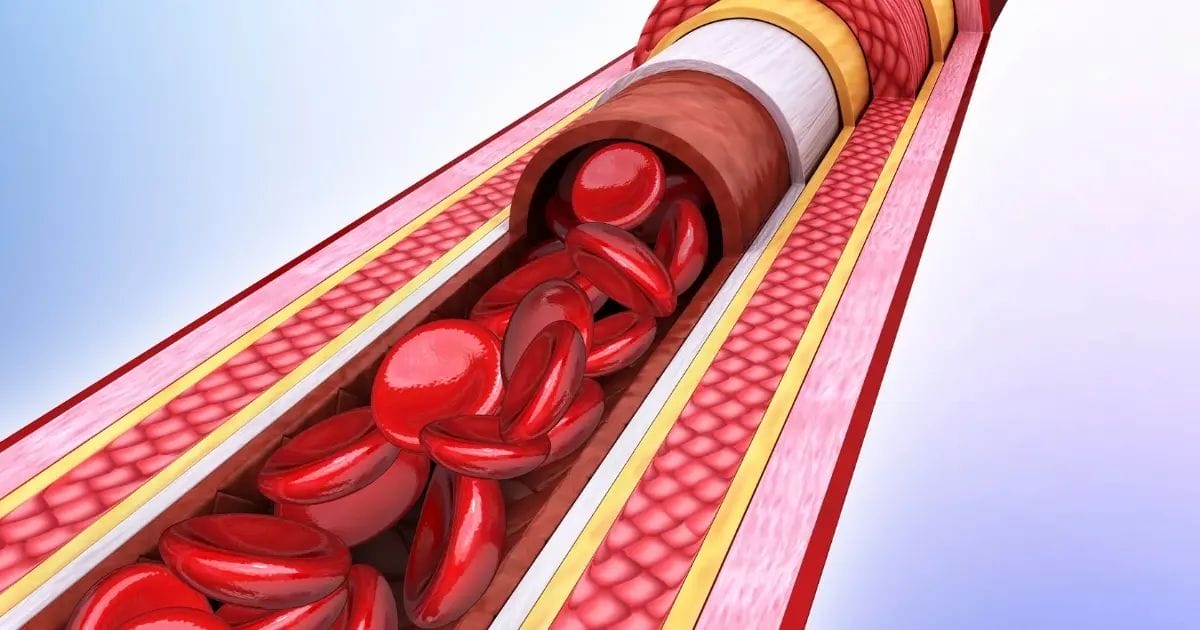
PAD pain has a distinctive pattern that reflects limited blood flow to muscles. To understand this pain, it is important to consider what causes PAD, as narrowed arteries cannot meet muscle oxygen demands during activity. This makes people ask can peripheral artery disease cause dizziness.
PAD pain typically feels like:
- Aching, cramping, or tight muscle discomfort.
- Pain that starts during movement and eases with rest.
- A burning or heavy sensation in the affected limb.
- Discomfort that consistently occurs after walking a certain distance.
- Persistent pain at rest in severe stages of peripheral artery disease.
What Is The Most Common Cause Of Peripheral Arterial Disease?
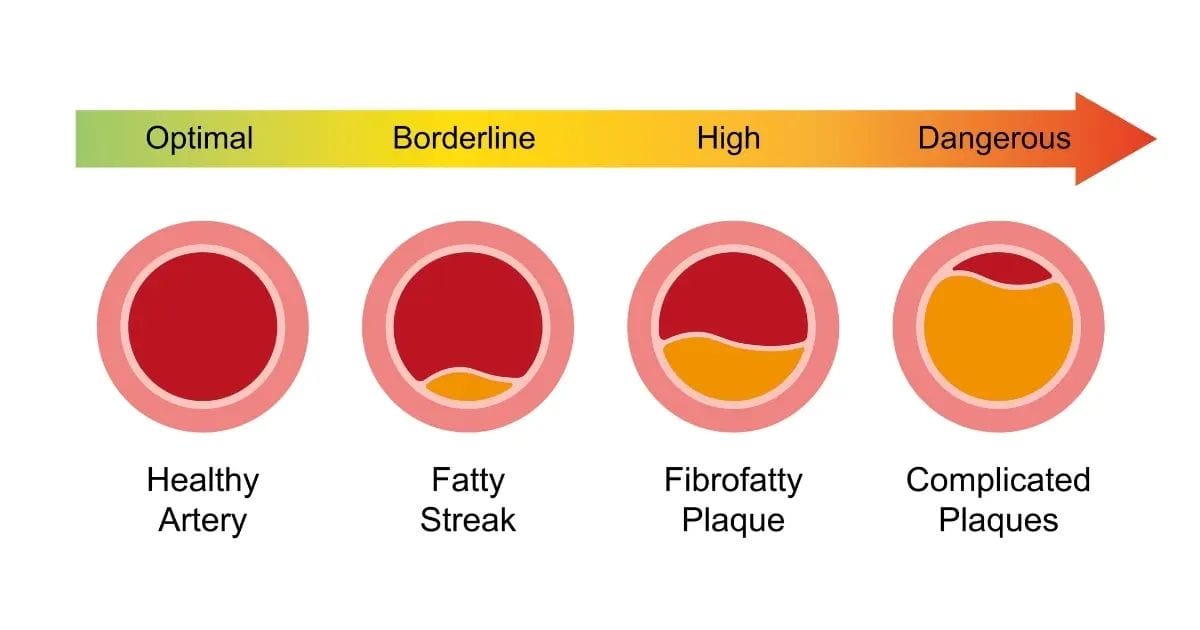
The most common cause of peripheral arterial disease is atherosclerosis, a condition characterized by plaque buildup inside the arteries. This process:
- Hardens and narrows blood vessels over time.
- Limits oxygen-rich blood flow to the limbs.
- Promotes inflammation and arterial damage.
Explains why most medical definitions of what causes PAD focus on this single underlying mechanism and the importance of How to prevent PAD.
Best Doctor For PAD Treatment
Dr. Farouk Marzouk is a trusted vascular surgeon in Brooklyn, known for his expertise in diagnosing, preventing, and treating peripheral artery disease. He focuses on early detection using advanced tools such as ABI testing, Doppler ultrasound, and PAD Angioplasty to identify circulation problems before complications develop.
Dr. Marzouk offers minimally invasive, low-risk treatments when needed, with an emphasis on patient safety, comfort, and faster recovery. Each patient receives a personalized care plan designed to improve blood flow, reduce leg pain, preserve mobility, and slow PAD progression.
Book your appointment today with Dr. Farouk Marzouk and take control of your vascular health.
Conclusion
Understanding what causes PAD disease is an important step toward early diagnosis and effective treatment. According to Studies, peripheral artery disease usually develops gradually as narrowed arteries reduce blood flow to the legs, causing symptoms like pain, fatigue, and poor circulation that worsen over time without proper treatment.
With timely evaluation, lifestyle changes, and appropriate medical care, PAD progression can be slowed and symptoms significantly improved. If leg pain, cramping, or poor wound healing persists, seeking care from a vascular specialist can help protect circulation, preserve mobility, and reduce the risk of serious complications.
FAQs
Can you reverse peripheral artery disease?
Peripheral artery disease cannot usually be completely reversed, but it can be controlled and slowed down when diagnosed early. Improving lifestyle habits, such as quitting smoking, staying physically active, and managing blood sugar and cholesterol levels, can help improve blood flow and reduce symptoms. Medical treatment can also lower the risk of complications and prevent the disease from progressing.
What are the red flags for peripheral arterial disease?
Red flags for peripheral arterial disease include leg pain or cramping during walking that goes away with rest, ongoing pain in the legs or feet while resting, and wounds on the feet that heal slowly or not at all. Changes in skin color, temperature differences between legs, and reduced pulses in the feet may also signal poor circulation and should be evaluated by a healthcare professional.
What is the number one cause of peripheral artery disease?
The number one cause of peripheral artery disease is atherosclerosis. This condition develops when fatty plaque builds up inside the arteries, causing them to narrow and stiffen. Over time, this limits blood flow to the legs and other parts of the body, leading to the symptoms and complications associated with PAD.
What are the first symptoms of PAD?
The first symptoms of PAD often appear during physical activity, especially walking. People may notice leg pain, cramping, or a feeling of heaviness that improves with rest. In early stages, symptoms can be mild or easily overlooked, and some individuals may not experience noticeable signs until blood flow becomes more restricted.


