Home › Blog › Long-Term Side Effects of Vein Ablation
Long-Term Side Effects of Vein Ablation

Long-Term Side Effects of Vein Ablation

👤 Ahmedel 🕒 ⏱️ …

Table of Contents

    Vein disorders used to be treated through surgical techniques including the vein stripping that resulted to long recovery periods and many risks. Earlier, these traditional procedures were associated with complications in excess of 15% and presented a lot of difficulties for the patient and the medical community.

    This is because technology has come up with techniques that are less invasive like the Endovenous Laser Therapy (EVLT) and the RadioFrequency Ablation (RFA). These modern treatment methods have made it possible to have low complications of less than 5% and shorter recovery periods as revealed by the advanced studies. However, these are the current developments that people have to consider the possible disadvantages and negative outcomes of vein ablation in the long run. These Long-Term Side Effects of Vein Ablation will be discussed in this article which includes the comparison of today’s methods with the earlier methods that are used for the treatment.

    What Is Vein Ablation?

    Endovenous laser ablation is among the contemporary approaches used in managing veins that are complex including the varicose kind. It entails applying heat on the target veins so that they are able to surround themselves and phase out of the body. 

    However, it is crucial to know about the potential Regularly, Long-Term Side Effects of Vein Ablation and will depend on particular circumstances.

    There are two primary approaches to vein ablation:

    • Endovenous Laser Therapy (EVLT): Concentrates the energy of laser to pinpoint and close from inside the vein which is causing problems.
    • Radiofrequency Ablation (RFA): To provide the required result, it utilizes radiofrequency energy.

    They are both endoscopic or least invasive as compared to vein surgery and the patients are discharged after a few hours without complications.

    Potential Long-Term Side Effects of Vein Ablation

    Even though vein ablation is a safe and efficient method of getting rid of problem veins, there are side effects of vein ablation patients should know about. Such can be useful in setting the right expectations and preparing for recovery in case of any occurrence. 

    So, we will discuss some possible Long-Term Side Effects of Vein Ablation and their underlying causes:

    1. Skin Discoloration: Possible Long-Term Side Effects of Vein Ablation and signs of blood clot after vein ablation in the treated area may include skin pigmentation changes which may manifest as dark skins or patches in as many as 10% of patients. This comes about because the heat generated in the process of ablation can alter the skin’s tone. Permanent skin color change is common with and usually presents within 6 to 12 months after vein ablation; however, some patients might permanency change.
    2. Numbness or Altered Sensation: Temporary impairment of sensation involving the skin area around the vein being treated occurs in about 5% of the patients. This may be due to heat impact on nerves close to the skin or any inflammation that takes place on the skin’s surface. However, sensation mostly regains normalcy within a few months; however, there are probabilities of permenant alteration in occasion of vein ablation.It therefore continues to demonstrate other probable Long Term Side Effects of Vein Ablation.
    3. Vein Reappearance: In some cases, almost 15% of patients would be able to observe that the initially treated vein or new varicosity may develop in the future. This may occur if there is a scar or diabetic ulcers still affecting them or adjudged new ones have developed. Some of the many other procedures which may be considered to treat these Long-Term Side Effects of Vein Ablation.
    4. Blood Clots: The occurrence of blood clots as blood clot in arm in a patient after vein ablation ranges from 0.3 to 0.7 %; however, it is still possible. It is also important to know that, if the vein is inflamed or if blood circulation is restricted, blood clots may develop. However appropriate post-procedure care and monitoring has been proven to lower this risk to a considerable degree, it is possible that this remains a Long-Term Side Effects of Vein Ablation.
    5. Swelling and Discomfort: Edema and pain are the most frequent and reported by as many as twenty percent of patients during the first weeks after the intervention. These symptoms are usually self-limiting should subside within a few weeks but some people may still exhibit symptoms like swelling. This swelling may be one of the clinical sequelae of vein ablation and therefore, following your doctor’s instructions and the use of compression stockings would be helpful in decreasing these effects and leg swelling treatment.

    Great Saphenous Vein Ablation Side Effects

    Following great saphenous vein (GSV) ablation, patients commonly experience a set of predictable, self-limiting side effects. These are distinct from complications and typically resolve within days to weeks.

    The most frequent include procedural ecchymosis (bruising) along the treated vein pathway, mild tenderness, and tightness or pulling sensations due to phlebitic inflammation of the sealed vein segment.

    Temporary neuralpraxia, manifesting as transient numbness or a tingling sensation near the ankle or inner thigh, may occur due to localized trauma to adjacent sensory nerves.

    These expected outcomes are part of the normal healing process and are managed with conservative measures such as consistent compression stocking use, ambulation, and over-the-counter analgesics.

    Also Read: best sleeping position for peripheral artery disease

    What If Vein Ablation Gone Wrong

    While ablation is a highly successful and safe procedure, procedural failure or significant complications, though rare, can occur. Failure of closure may lead to vein recanalization and symptom recurrence.

    More serious adverse events include deep vein thrombosis (DVT), which requires prompt anticoagulation therapy. Thermal injury to adjacent cutaneous nerves can, in a small percentage of cases, result in longer-term paresthesia or dysesthesia.

    Inadvertent direct energy delivery outside the vein can cause full-thickness skin burns. 

    Endovenous Laser Ablation Complications

    Endovenous laser ablation carries a low but defined risk of procedural complications. The most significant is endothermal heat-induced thrombosis (EHIT), a phenomenon where the thrombus from the ablated saphenous vein extends into the deep system at the saphenofemoral junction, potentially leading to a DVT.

    Other recognized complications include skin burns from insufficient tumescent fluid or high laser energy settings, and persistent paresthesia due to thermal damage to the saphenous or sural nerves.

    Endovenous Laser Ablation Side Effects

    Patients undergoing EVLA should be counseled to expect several transient side effects as part of the normal post-procedural course. These are not indicative of a failed procedure but rather a physiologic response to endothermal injury.

    They include extensive ecchymosis and palpable induration along the treated vein tract, resulting from controlled venous wall inflammation and thrombus formation. Patients frequently report a sensation of cord-like hardening under the skin, which is the fibrosing vein segment, and it typically softens over several weeks to months.

    Mild to moderate pain and tenderness are common and are managed effectively with non-steroidal anti-inflammatory drugs (NSAIDs) and consistent use of graduated compression garments.

    What Is The Pain Months After Vein Ablation

    Persistent pain several months after vein ablation warrants clinical evaluation to determine its etiology. A common benign cause is phlebitis of a residual tributary vein or the continued organization of a trapped clot, which can present as a tender, hardened cord.

    Another frequent cause is nerve regeneration or neuropraxia, leading to hypoesthesia, hyperesthesia, or a neuropathic pain sensation along the distribution of the affected sensory nerve.

    Less commonly, pain may signal a more significant issue such as superficial thrombophlebitis extending into a non-ablated branch, or the development of a vascular malformation. A thorough duplex ultrasound examination is the standard of care to differentiate between these causes and rule out pathology like a chronic EHIT or recurrent reflux.

    Also Read: how to check for a blood clot in your leg

    Endovenous Laser Therapy Vein Ablation long-term side effects

    How to Manage Post-Treatment Side Effects and Vein Ablation Complications

    Maintaining the side effects that are expected after vein ablation and treatment is very important for recovery to take place. It is good to know more about the potential Long-Term Side Effects of Vein Ablation so as to tackle them in the right manner and so as to gain the best results from the process.

    Skin Discoloration

    Hyperpigmentation such as skin roughening or darkening or development of brown spots or patches can be seen in up to 10 percent of patients. It commonly does so, but, in some cases, may linger on and on, wreaking some havoc in the process. 

    To prevent this as a Long-Term Side Effects of Vein Ablation expose the treated area to sun by using sun screen lotion with high SPF. If you are worried about any pigmentation changes, discuss with your doctor possible topical treatments or cosmetics.

    Numbness or Altered Sensation

    Paresthesia can manifest for a short period or as permanent alteration in sensation and can occur in about 5 percent of the patients, and the symptoms often disappear in several months. For this Long-Term Side Effects of Vein Ablation avoid stressing the particular area so as to avoid the problem. These are some of the manipulations that facilitate the nerve regeneration; they include gentle massage and warm and cold compresses. In case of lasting or increasing tingling sensation, consult your doctor.

    Vein Reappearance

    About 15 percent of the patients may observe the treated vein or new varicose veins might emerge later on. The monitoring however requires follow up appointment schedules that are consistent. If new veins appear, then your doctor might recommend other treatments for you. Preventing obesity and physical inactivity are other medium term concerns for a patient who has undergone vein ablation, as such aside from the obvious eliminating of varicose veins, it also becomes an inhibitory by averting new vein formation.
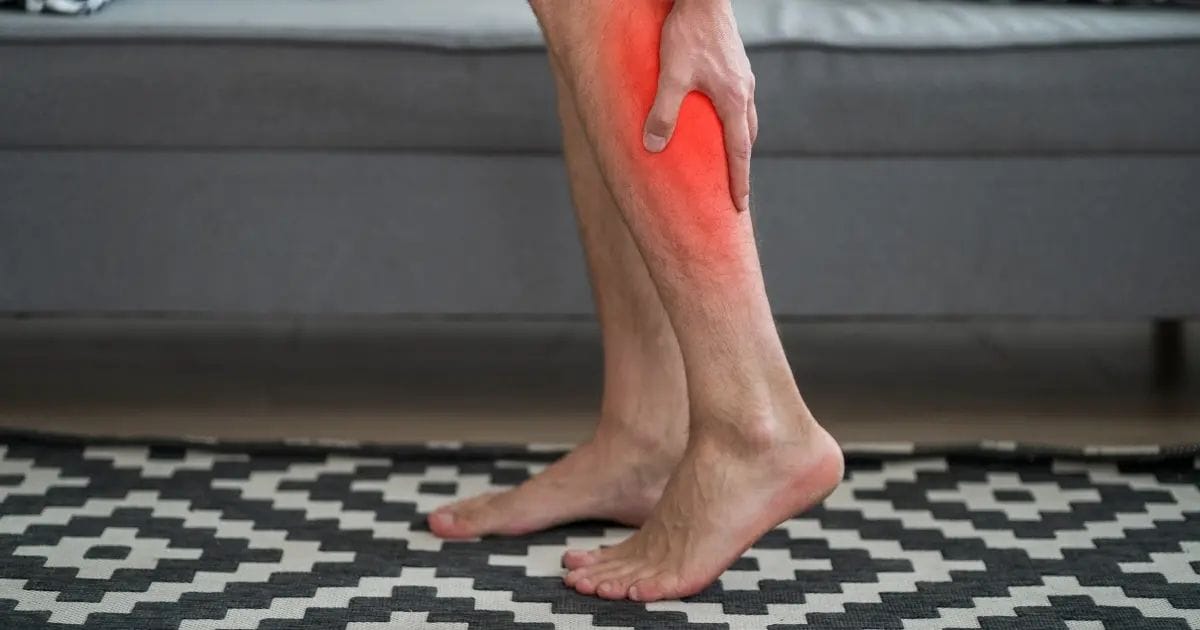
    muscle strain vs dvt

    Blood Clots

    The chances of clot formation as blood clot behind knee is less than one per cent however, some of the symptoms for clot formation are swelling, pain or redness in the area treated. To help reduce this long-term side effect of vein ablation, follow your doctor’s post-procedure recommendations as regards the use of prescribed pain relievers or compression stockings. It is also recommended to walk more, and to avoid long inactivity that is characteristic for many office jobs, for example. Seek medical attentions if you are having symptoms of a blood clot in your body.

    Swelling and Discomfort

    Lump neck and pain are also seen to occur in about 5 – 20 percent of patients and they normally subside in about two weeks. Long-Term Side Effects of Vein Ablation is pain in the legs; use relevant compression stockings as advised by your doctor or healthcare professional, elevate your legs while lying down and apply ice packs to reduce pain. Your doctor can also recommend pain relievers that are available without a prescription as for the pain control means.

    is Vein Ablation Right for You?

    Ablation is the most effective method of treating varicose veins and chronic venous insufficiency with the efficiency being above 90%. It is most useful in patients who constantly suffer from leg pain, swelling, and the presence of varicose veins that have not improved after other and less invasive therapies.

    When Vein Ablation is Appropriate?

    This procedure is suitable for those patients who want to get the result without surgery operation and with the quickest possible recovery. It is particularly relevant for people with severe symptoms that worsen their quality of life.

    When to Consider Other Options

    However vein ablation may not be required for everyone. This procedure may not be necessary if your symptoms are mild and can be controlled by adopting some changes in your lifestyle or using compression stockings. Also, the candidates with some medical conditions or temporary vein problems such as pregnancy should look for other options or after the problem is over.

    Also Read: Leg angioplasty risks for elderly

    Take the first step toward healthier, lighter legs today with Frontier Medical Care where expert care meets personal attention.

    Book Your Appointment Today!

    Updated:

    Long-Term Side Effects of Vein Ablation

    Long-Term Side Effects of Vein Ablation

    Vein disorders used to be treated through surgical techniques including the vein stripping that resulted to long recovery periods and many risks. Earlier, these traditional procedures were associated with complications in excess of 15% and presented a lot of difficulties for the patient and the medical community.

    This is because technology has come up with techniques that are less invasive like the Endovenous Laser Therapy (EVLT) and the RadioFrequency Ablation (RFA). These modern treatment methods have made it possible to have low complications of less than 5% and shorter recovery periods as revealed by the advanced studies. However, these are the current developments that people have to consider the possible disadvantages and negative outcomes of vein ablation in the long run. These Long-Term Side Effects of Vein Ablation will be discussed in this article which includes the comparison of today’s methods with the earlier methods that are used for the treatment.

    What Is Vein Ablation?

    Endovenous laser ablation is among the contemporary approaches used in managing veins that are complex including the varicose kind. It entails applying heat on the target veins so that they are able to surround themselves and phase out of the body. 

    However, it is crucial to know about the potential Regularly, Long-Term Side Effects of Vein Ablation and will depend on particular circumstances.

    There are two primary approaches to vein ablation:

    • Endovenous Laser Therapy (EVLT): Concentrates the energy of laser to pinpoint and close from inside the vein which is causing problems.
    • Radiofrequency Ablation (RFA): To provide the required result, it utilizes radiofrequency energy.

    They are both endoscopic or least invasive as compared to vein surgery and the patients are discharged after a few hours without complications.

    Potential Long-Term Side Effects of Vein Ablation

    Even though vein ablation is a safe and efficient method of getting rid of problem veins, there are side effects of vein ablation patients should know about. Such can be useful in setting the right expectations and preparing for recovery in case of any occurrence. 

    So, we will discuss some possible Long-Term Side Effects of Vein Ablation and their underlying causes:

    1. Skin Discoloration: Possible Long-Term Side Effects of Vein Ablation and signs of blood clot after vein ablation in the treated area may include skin pigmentation changes which may manifest as dark skins or patches in as many as 10% of patients. This comes about because the heat generated in the process of ablation can alter the skin’s tone. Permanent skin color change is common with and usually presents within 6 to 12 months after vein ablation; however, some patients might permanency change.
    2. Numbness or Altered Sensation: Temporary impairment of sensation involving the skin area around the vein being treated occurs in about 5% of the patients. This may be due to heat impact on nerves close to the skin or any inflammation that takes place on the skin’s surface. However, sensation mostly regains normalcy within a few months; however, there are probabilities of permenant alteration in occasion of vein ablation.It therefore continues to demonstrate other probable Long Term Side Effects of Vein Ablation.
    3. Vein Reappearance: In some cases, almost 15% of patients would be able to observe that the initially treated vein or new varicosity may develop in the future. This may occur if there is a scar or diabetic ulcers still affecting them or adjudged new ones have developed. Some of the many other procedures which may be considered to treat these Long-Term Side Effects of Vein Ablation.
    4. Blood Clots: The occurrence of blood clots as blood clot in arm in a patient after vein ablation ranges from 0.3 to 0.7 %; however, it is still possible. It is also important to know that, if the vein is inflamed or if blood circulation is restricted, blood clots may develop. However appropriate post-procedure care and monitoring has been proven to lower this risk to a considerable degree, it is possible that this remains a Long-Term Side Effects of Vein Ablation.
    5. Swelling and Discomfort: Edema and pain are the most frequent and reported by as many as twenty percent of patients during the first weeks after the intervention. These symptoms are usually self-limiting should subside within a few weeks but some people may still exhibit symptoms like swelling. This swelling may be one of the clinical sequelae of vein ablation and therefore, following your doctor’s instructions and the use of compression stockings would be helpful in decreasing these effects and leg swelling treatment.

    Great Saphenous Vein Ablation Side Effects

    Following great saphenous vein (GSV) ablation, patients commonly experience a set of predictable, self-limiting side effects. These are distinct from complications and typically resolve within days to weeks.

    The most frequent include procedural ecchymosis (bruising) along the treated vein pathway, mild tenderness, and tightness or pulling sensations due to phlebitic inflammation of the sealed vein segment.

    Temporary neuralpraxia, manifesting as transient numbness or a tingling sensation near the ankle or inner thigh, may occur due to localized trauma to adjacent sensory nerves.

    These expected outcomes are part of the normal healing process and are managed with conservative measures such as consistent compression stocking use, ambulation, and over-the-counter analgesics.

    Also Read: best sleeping position for peripheral artery disease

    What If Vein Ablation Gone Wrong

    While ablation is a highly successful and safe procedure, procedural failure or significant complications, though rare, can occur. Failure of closure may lead to vein recanalization and symptom recurrence.

    More serious adverse events include deep vein thrombosis (DVT), which requires prompt anticoagulation therapy. Thermal injury to adjacent cutaneous nerves can, in a small percentage of cases, result in longer-term paresthesia or dysesthesia.

    Inadvertent direct energy delivery outside the vein can cause full-thickness skin burns. 

    Endovenous Laser Ablation Complications

    Endovenous laser ablation carries a low but defined risk of procedural complications. The most significant is endothermal heat-induced thrombosis (EHIT), a phenomenon where the thrombus from the ablated saphenous vein extends into the deep system at the saphenofemoral junction, potentially leading to a DVT.

    Other recognized complications include skin burns from insufficient tumescent fluid or high laser energy settings, and persistent paresthesia due to thermal damage to the saphenous or sural nerves.

    Endovenous Laser Ablation Side Effects

    Patients undergoing EVLA should be counseled to expect several transient side effects as part of the normal post-procedural course. These are not indicative of a failed procedure but rather a physiologic response to endothermal injury.

    They include extensive ecchymosis and palpable induration along the treated vein tract, resulting from controlled venous wall inflammation and thrombus formation. Patients frequently report a sensation of cord-like hardening under the skin, which is the fibrosing vein segment, and it typically softens over several weeks to months.

    Mild to moderate pain and tenderness are common and are managed effectively with non-steroidal anti-inflammatory drugs (NSAIDs) and consistent use of graduated compression garments.

    What Is The Pain Months After Vein Ablation

    Persistent pain several months after vein ablation warrants clinical evaluation to determine its etiology. A common benign cause is phlebitis of a residual tributary vein or the continued organization of a trapped clot, which can present as a tender, hardened cord.

    Another frequent cause is nerve regeneration or neuropraxia, leading to hypoesthesia, hyperesthesia, or a neuropathic pain sensation along the distribution of the affected sensory nerve.

    Less commonly, pain may signal a more significant issue such as superficial thrombophlebitis extending into a non-ablated branch, or the development of a vascular malformation. A thorough duplex ultrasound examination is the standard of care to differentiate between these causes and rule out pathology like a chronic EHIT or recurrent reflux.

    Also Read: how to check for a blood clot in your leg

    Endovenous Laser Therapy Vein Ablation long-term side effects

    How to Manage Post-Treatment Side Effects and Vein Ablation Complications

    Maintaining the side effects that are expected after vein ablation and treatment is very important for recovery to take place. It is good to know more about the potential Long-Term Side Effects of Vein Ablation so as to tackle them in the right manner and so as to gain the best results from the process.

    Skin Discoloration

    Hyperpigmentation such as skin roughening or darkening or development of brown spots or patches can be seen in up to 10 percent of patients. It commonly does so, but, in some cases, may linger on and on, wreaking some havoc in the process. 

    To prevent this as a Long-Term Side Effects of Vein Ablation expose the treated area to sun by using sun screen lotion with high SPF. If you are worried about any pigmentation changes, discuss with your doctor possible topical treatments or cosmetics.

    Numbness or Altered Sensation

    Paresthesia can manifest for a short period or as permanent alteration in sensation and can occur in about 5 percent of the patients, and the symptoms often disappear in several months. For this Long-Term Side Effects of Vein Ablation avoid stressing the particular area so as to avoid the problem. These are some of the manipulations that facilitate the nerve regeneration; they include gentle massage and warm and cold compresses. In case of lasting or increasing tingling sensation, consult your doctor.

    Vein Reappearance

    About 15 percent of the patients may observe the treated vein or new varicose veins might emerge later on. The monitoring however requires follow up appointment schedules that are consistent. If new veins appear, then your doctor might recommend other treatments for you. Preventing obesity and physical inactivity are other medium term concerns for a patient who has undergone vein ablation, as such aside from the obvious eliminating of varicose veins, it also becomes an inhibitory by averting new vein formation.

    muscle strain vs dvt

    Blood Clots

    The chances of clot formation as blood clot behind knee is less than one per cent however, some of the symptoms for clot formation are swelling, pain or redness in the area treated. To help reduce this long-term side effect of vein ablation, follow your doctor’s post-procedure recommendations as regards the use of prescribed pain relievers or compression stockings. It is also recommended to walk more, and to avoid long inactivity that is characteristic for many office jobs, for example. Seek medical attentions if you are having symptoms of a blood clot in your body.

    Swelling and Discomfort

    Lump neck and pain are also seen to occur in about 5 – 20 percent of patients and they normally subside in about two weeks. Long-Term Side Effects of Vein Ablation is pain in the legs; use relevant compression stockings as advised by your doctor or healthcare professional, elevate your legs while lying down and apply ice packs to reduce pain. Your doctor can also recommend pain relievers that are available without a prescription as for the pain control means.

    is Vein Ablation Right for You?

    Ablation is the most effective method of treating varicose veins and chronic venous insufficiency with the efficiency being above 90%. It is most useful in patients who constantly suffer from leg pain, swelling, and the presence of varicose veins that have not improved after other and less invasive therapies.

    When Vein Ablation is Appropriate?

    This procedure is suitable for those patients who want to get the result without surgery operation and with the quickest possible recovery. It is particularly relevant for people with severe symptoms that worsen their quality of life.

    When to Consider Other Options

    However vein ablation may not be required for everyone. This procedure may not be necessary if your symptoms are mild and can be controlled by adopting some changes in your lifestyle or using compression stockings. Also, the candidates with some medical conditions or temporary vein problems such as pregnancy should look for other options or after the problem is over.

    Also Read: Leg angioplasty risks for elderly

    Take the first step toward healthier, lighter legs today with Frontier Medical Care where expert care meets personal attention.

    Book Your Appointment Today!