As symptoms of varicose veins during pregnancy affect many women, they have started searching for prevention of varicose veins during pregnancy to avoid a problem that can significantly affect them during pregnancy, especially when it comes to movement.
Therefore, this guide provides more details about ways to prevent this condition, how it affects pregnancy, and its most noticeable symptoms.
Table of Contents
ToggleWhat Are Varicose Veins During Pregnancy?
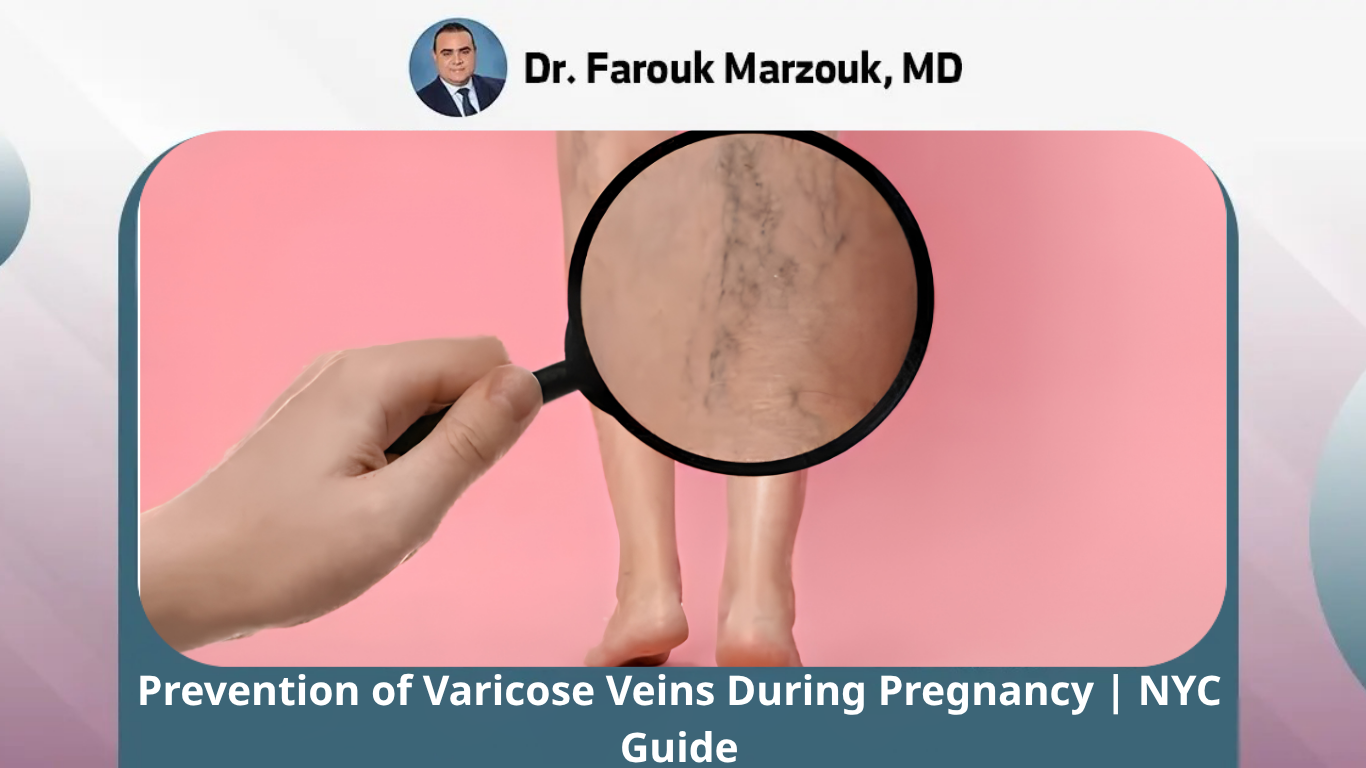
Varicose veins during pregnancy are enlarged, swollen, and twisted veins that most often appear in the legs, thighs, or pelvic area. They develop when pregnancy hormones, increased blood volume, and pressure from the growing uterus make it harder for blood to flow smoothly back to the heart.
Why Do Varicose Veins Develop During Pregnancy?
Before knowing prevention of varicose veins during pregnancy. Varicose veins develop during pregnancy because hormonal changes, increased blood volume, and pressure from the growing uterus can slow blood flow from the legs back to the heart. Here are the Main Causes:
Hormonal changes:
Higher progesterone levels relax the walls of veins, making them more flexible and less able to keep blood moving efficiently.
Increased blood volume:
The body produces more blood during pregnancy to support the baby, which puts extra pressure on the veins.
Pressure from the uterus:
As the uterus grows, it presses on the large pelvic veins, especially the inferior vena cava, reducing blood flow from the legs.
Weakened vein valves:
Pregnancy can make the one-way valves in the veins less effective, allowing blood to flow backward and collect in the legs.
Family history:
Women with a family history of varicose veins are more likely to develop them during pregnancy.
Weight gain and reduced movement:
Extra weight and less physical activity can further slow circulation and increase pressure in the leg veins
Common Symptoms of Varicose Veins During Pregnancy:-
Varicose veins during pregnancy often cause visible changes in the legs along with discomfort, especially after standing or sitting for long periods. Symptoms can range from mild heaviness to swelling and aching that affects daily movement. Such as:
- Dark blue, purple, or red veins that appear raised, twisted, or enlarged, usually in the legs, calves, thighs, or around the genitals
- Many women feel a heavy, tired, or throbbing sensation, especially at the end of the day
- The ankles, feet, and lower legs may become swollen due to fluid buildup and reduced circulation
- Some women experience leg pain, burning, or muscle cramps, particularly after long periods of standing
- The skin over the affected veins may feel itchy, dry, or irritated
- Discomfort often increases after prolonged standing, sitting, or physical activity
- Elevating the legs or lying down may reduce swelling and discomfort.
How Varicose Veins Affect Pregnancy and Daily Movement:-
Prevention of Varicose Veins During Pregnancy is essential for many reasons, as it can make everyday activities uncomfortable, especially walking, standing, and sleeping. Although they are usually not dangerous, the discomfort and swelling can affect mobility, sleep quality, and overall comfort during pregnancy:
Walking discomfort:
Heavy, aching, or throbbing legs may make walking long distances or climbing stairs more difficult.
Reduced standing tolerance:
Standing for long periods can increase pressure in the legs, leading to pain, swelling, and fatigue.
Difficulty with exercise:
Activities that require prolonged standing or intense leg movement may feel uncomfortable, making it harder to stay active.
Sleep disruption:
Leg discomfort, cramps, or swelling can make it harder to find a comfortable sleeping position.
Lower daily activity:
Some women move less because of discomfort, which can further slow circulation and worsen symptoms.
Prevention of Varicose Veins During Pregnancy:-
Varicose veins cannot always be prevented during pregnancy, but healthy circulation habits can reduce their risk and ease discomfort. The goal is to avoid prolonged pressure on the legs and keep blood moving smoothly back to the heart. Effective Prevention Tips:
Stay active:
Walk, swim, or do gentle pregnancy-safe exercises regularly to improve leg circulation.
Avoid standing or sitting too long:
Change positions often, take short walking breaks, and avoid crossing your legs for long periods.
Elevate your legs:
Rest with your legs raised above heart level several times a day to reduce swelling and improve blood flow.
Wear compression stockings:
Maternity compression stockings can support circulation and reduce leg pressure; ask your doctor for the right level of compression.
Sleep on your left side:
This may reduce pressure on the large vein that returns blood from the legs to the heart.
In conclusion, you have learned about prevention of varicose veins during pregnancy, including the most important details about their symptoms and treatment. Do not hesitate to visit the nearest Contact Vascular Clinic by Farouk Marzouk today for expert care for your vascular health.
FAQ about Prevention of Varicose Veins During Pregnancy
Can varicose veins be prevented during pregnancy?
They cannot always be prevented, but regular movement, leg elevation, compression stockings, and avoiding long periods of standing or sitting can lower the risk and reduce discomfort.
Are compression stockings safe during pregnancy?
Yes, compression stockings are generally safe and often recommended during pregnancy. Ask your doctor which compression level is appropriate for you.
Which exercises help prevent varicose veins?
Walking, swimming, and gentle pregnancy-safe leg exercises can improve circulation and reduce pressure in the leg veins.
Do varicose veins go away after pregnancy?
Many varicose veins improve or become less noticeable after childbirth, especially when they developed during pregnancy. Some may remain, particularly if there is a family history or underlying vein disease.
For more details about prevention of varicose veins during pregnancy Contact Vascular Clinic by Farouk Marzouk: Expert Care for Your Vascular Health today.