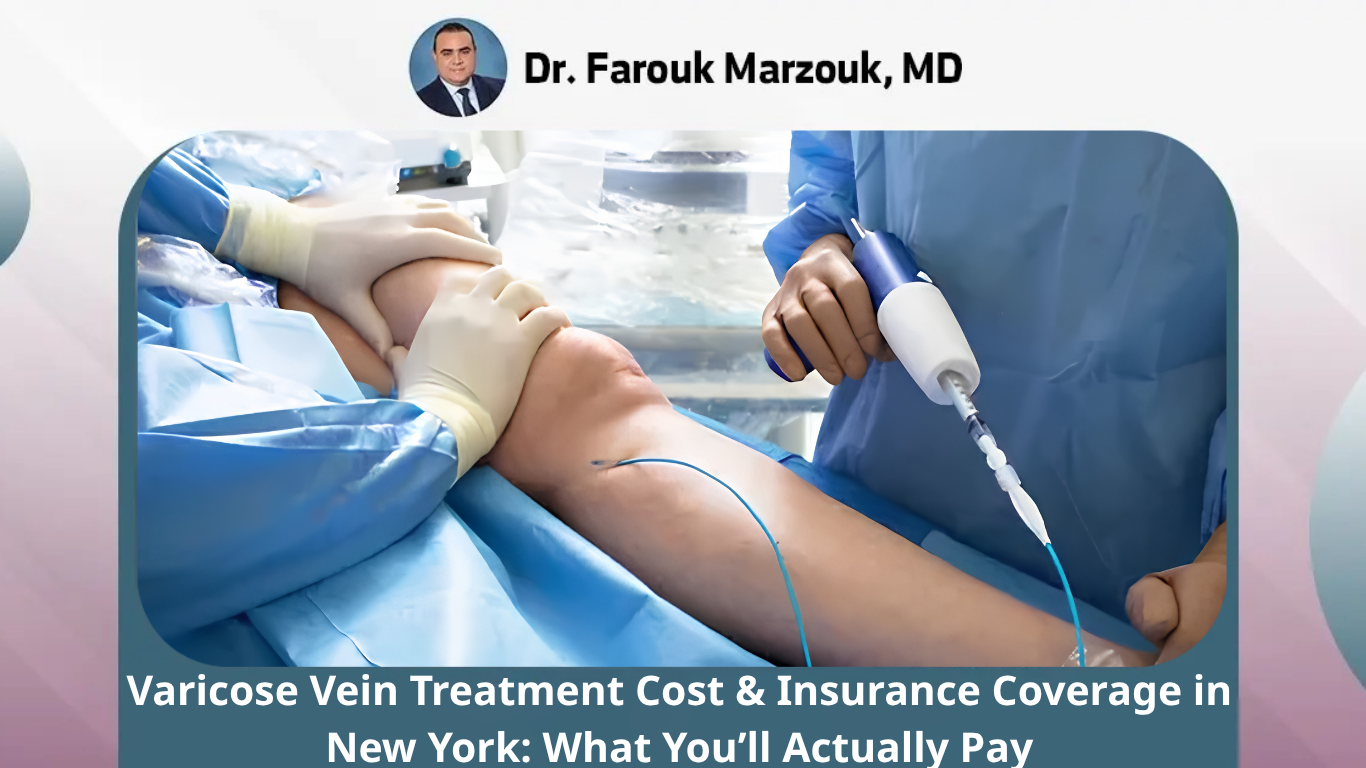
Home › Blog › Varicose Vein Treatment Cost & Insurance Coverage in New York: What You’ll Actually Pay
Varicose Vein Treatment Cost & Insurance Coverage in New York: What You’ll Actually Pay

Varicose Vein Treatment Cost & Insurance Coverage in New York: What You’ll Actually Pay

👤 yousef.seo@everest-ads.net 🕒 ⏱️ …

Table of Contents

    There are many questions about varicose vein treatment, and “Varicose Vein Treatment Cost & Insurance Coverage” is among the most commonly asked questions. Many people suffer from the same problem and need reliable treatment that helps them overcome it. This guide covers everything about varicose vein treatment, the factors that affect its cost, and many other important details.

    What Is Varicose Vein Treatment?

    Varicose vein treatment refers to the medical care used to relieve symptoms, improve leg appearance, and prevent complications caused by swollen, twisted veins usually in the legs. Treatment can range from lifestyle changes and compression stockings to minimally invasive procedures or surgery.

    How Much Does Varicose Vein Treatment Cost?

    There are many factors that affect Varicose Vein Treatment Cost & Insurance Coverage. As it follows:

    Type of treatment:

    Sclerotherapy is usually less expensive than endovenous laser ablation, radiofrequency ablation, phlebectomy, or surgery.

    Severity of vein disease:

    More advanced venous insufficiency, larger veins, or complications such as skin changes and ulcers may require more complex treatment.

    Number of veins treated:

    Treating one small vein costs less than treating multiple abnormal veins or an underlying refluxing vein plus visible branch veins.

    One leg or both legs:

    Bilateral treatment often requires more time, supplies, or separate treatment sessions, increasing the total cost.

    Number of sessions:

    Some treatments, especially sclerotherapy, may require repeat sessions to achieve the desired result.

    Diagnostic testing:

    A duplex ultrasound may be needed to identify valve reflux and map the veins; this may be billed separately.

    Facility and provider fees:

    Hospital-based settings, surgical centers, and highly specialized vein clinics may have different professional and facility charges.

    Geographic location:

    Prices vary by city, country, and local healthcare market.

    Technology used:

    Newer closure systems, laser equipment, or advanced imaging can affect the price.

    Medical necessity:

    Treatment for pain, swelling, skin changes, or venous reflux is more likely to qualify for insurance coverage than treatment done only for appearance.

    Main Treatment Options:-

    There are many treatment options for Varicose Vein, here are the most important of them:

    Lifestyle and self-care:

    Regular walking, elevating the legs, avoiding prolonged standing or sitting, maintaining a healthy weight, and wearing compression stockings can reduce aching and swelling.

    Compression stockings:

    These apply pressure to the legs to improve circulation and reduce blood pooling in the veins.

    Sclerotherapy:

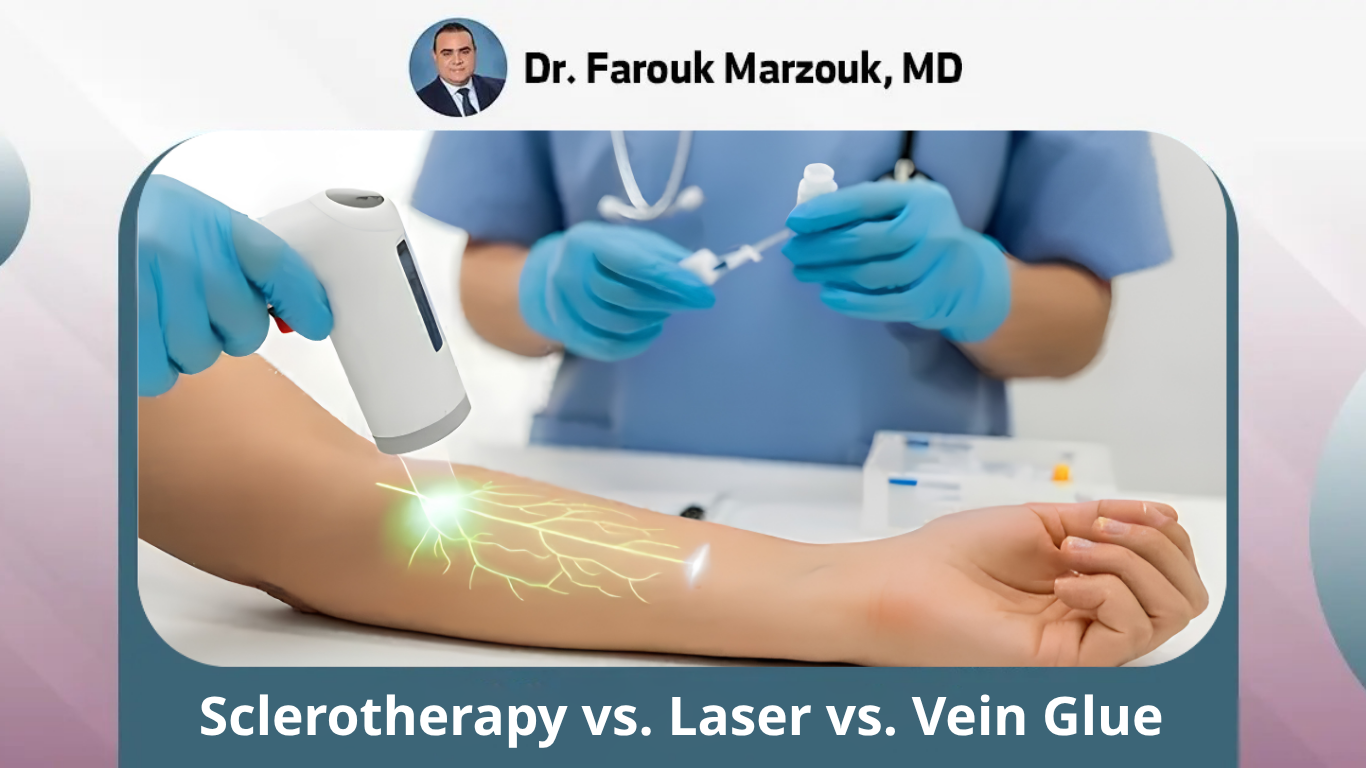
    A solution or foam is injected into the vein, causing its walls to seal shut; the vein gradually fades and is no longer used for blood flow.

    Endovenous laser or radiofrequency ablation:

    A thin catheter is placed inside the vein, and heat closes the abnormal vein. This is commonly used for larger varicose veins.

    Phlebectomy:

    Small incisions or punctures are used to remove surface varicose veins.

    Ligation and stripping:

    A surgical option in which the affected vein is tied off and removed; it is used less often now because minimally invasive treatments have become more common

    Cost by Treatment Type: Sclerotherapy, Laser, Radiofrequency, and Surgery

    Varicose Vein Treatment Cost & Insurance Coverage depend on treatment type, and this is how the type affect:


    Treatment type Relative cost How the treatment type affects cost and insurance
    Sclerotherapy Lowest cost A solution or foam is injected into small to medium veins to close them. It is usually the least expensive option, but more than one session may be required. Insurance may cover it when the veins cause symptoms and treatment is medically necessary; coverage is often limited for cosmetic spider veins.
    Endovenous laser ablation (EVLA) Moderate to high cost Laser energy is used inside the vein to seal it. It costs more than sclerotherapy because it requires a catheter, ultrasound guidance, and specialized equipment. Insurance often covers it when there is documented venous reflux and related symptoms.
    Radiofrequency ablation (RFA) Moderate to high cost Radiofrequency heat closes the abnormal vein. Its cost is generally similar to laser ablation and may increase if both legs are treated or if a newer closure device is used. Insurance coverage follows the same medical-necessity requirements as laser treatment.
    Surgical ligation and stripping Highest cost Surgery ties off and removes the affected vein. It is usually the most expensive because it may require an operating room, anesthesia or sedation, and a longer recovery. It is now used less often, mainly when minimally invasive options are not suitable.

    Does Insurance Cover Varicose Vein Treatment?

    Yes. In New York, most commercial health plans and Medicare often cover varicose vein treatment when it is medically necessary for example, when the veins cause pain, swelling, heaviness, skin changes, bleeding, or interfere with daily activities. Treatment performed only to improve appearance is generally not covered.

    When Is Varicose Vein Treatment Considered Medically Necessary?

    Treatment may qualify when you have one or more of the following:

    • Persistent pain, heaviness, fatigue, burning, cramping, or aching that limits walking, work, sleep, or other daily activities
    • Significant swelling or edema that does not improve with conservative care
    • Venous stasis dermatitis, including redness, inflammation, or skin changes caused by poor venous circulation
    • Non-healing or recurrent venous ulcers on the lower leg
    • Bleeding from a varicose vein, especially repeated bleeding episodes
    • Recurrent superficial phlebitis or thrombophlebitis, meaning repeated inflammation or clotting in a surface vein 

    In conclusion, you now know all the key details about Varicose Vein Treatment Cost & Insurance Coverage, including the conditions that may require medical treatment, how the type of treatment affects cost, and the insurance requirements you should know before scheduling care. Treatment is more likely to be covered when it is medically necessary, supported by symptoms, ultrasound findings, and a trial of conservative therapy.

    FAQs about Varicose Vein Treatment Cost & Insurance Coverage

    Does insurance cover varicose vein treatment?

    Yes, many insurance plans cover varicose vein treatment when it is medically necessary for example, when veins cause pain, swelling, skin changes, bleeding, or ulcers. Treatment done only for cosmetic reasons is usually not covered.

    Which treatment is the least expensive?

    Sclerotherapy is usually the least expensive option, especially for smaller veins. However, it may require more than one session, which can increase the total cost.

    Can I get treatment if I have no symptoms?

    You can usually receive treatment, but insurance may not cover it if the goal is only cosmetic. If you have no pain, swelling, reflux, or other medical complications, you may need to pay out of pocket.


    For more details about Varicose Vein Treatment Cost & Insurance Coverage Contact Vascular Clinic by Farouk Marzouk: Expert Care for Your Vascular Health today.

     

    Updated:

    Varicose Vein Treatment Cost & Insurance Coverage in New York: What You’ll Actually Pay

    Varicose Vein Treatment Cost & Insurance Coverage

    There are many questions about varicose vein treatment, and “Varicose Vein Treatment Cost & Insurance Coverage” is among the most commonly asked questions. Many people suffer from the same problem and need reliable treatment that helps them overcome it. This guide covers everything about varicose vein treatment, the factors that affect its cost, and many other important details.

    What Is Varicose Vein Treatment?

    Varicose vein treatment refers to the medical care used to relieve symptoms, improve leg appearance, and prevent complications caused by swollen, twisted veins usually in the legs. Treatment can range from lifestyle changes and compression stockings to minimally invasive procedures or surgery.

    How Much Does Varicose Vein Treatment Cost?

    There are many factors that affect Varicose Vein Treatment Cost & Insurance Coverage. As it follows:

    Type of treatment:

    Sclerotherapy is usually less expensive than endovenous laser ablation, radiofrequency ablation, phlebectomy, or surgery.

    Severity of vein disease:

    More advanced venous insufficiency, larger veins, or complications such as skin changes and ulcers may require more complex treatment.

    Number of veins treated:

    Treating one small vein costs less than treating multiple abnormal veins or an underlying refluxing vein plus visible branch veins.

    One leg or both legs:

    Bilateral treatment often requires more time, supplies, or separate treatment sessions, increasing the total cost.

    Number of sessions:

    Some treatments, especially sclerotherapy, may require repeat sessions to achieve the desired result.

    Diagnostic testing:

    A duplex ultrasound may be needed to identify valve reflux and map the veins; this may be billed separately.

    Facility and provider fees:

    Hospital-based settings, surgical centers, and highly specialized vein clinics may have different professional and facility charges.

    Geographic location:

    Prices vary by city, country, and local healthcare market.

    Technology used:

    Newer closure systems, laser equipment, or advanced imaging can affect the price.

    Medical necessity:

    Treatment for pain, swelling, skin changes, or venous reflux is more likely to qualify for insurance coverage than treatment done only for appearance.

    Main Treatment Options:-

    There are many treatment options for Varicose Vein, here are the most important of them:

    Lifestyle and self-care:

    Regular walking, elevating the legs, avoiding prolonged standing or sitting, maintaining a healthy weight, and wearing compression stockings can reduce aching and swelling.

    Compression stockings:

    These apply pressure to the legs to improve circulation and reduce blood pooling in the veins.

    Sclerotherapy:

    A solution or foam is injected into the vein, causing its walls to seal shut; the vein gradually fades and is no longer used for blood flow.

    Endovenous laser or radiofrequency ablation:

    A thin catheter is placed inside the vein, and heat closes the abnormal vein. This is commonly used for larger varicose veins.

    Phlebectomy:

    Small incisions or punctures are used to remove surface varicose veins.

    Ligation and stripping:

    A surgical option in which the affected vein is tied off and removed; it is used less often now because minimally invasive treatments have become more common

    Cost by Treatment Type: Sclerotherapy, Laser, Radiofrequency, and Surgery

    Varicose Vein Treatment Cost & Insurance Coverage depend on treatment type, and this is how the type affect:


    Treatment type Relative cost How the treatment type affects cost and insurance
    Sclerotherapy Lowest cost A solution or foam is injected into small to medium veins to close them. It is usually the least expensive option, but more than one session may be required. Insurance may cover it when the veins cause symptoms and treatment is medically necessary; coverage is often limited for cosmetic spider veins.
    Endovenous laser ablation (EVLA) Moderate to high cost Laser energy is used inside the vein to seal it. It costs more than sclerotherapy because it requires a catheter, ultrasound guidance, and specialized equipment. Insurance often covers it when there is documented venous reflux and related symptoms.
    Radiofrequency ablation (RFA) Moderate to high cost Radiofrequency heat closes the abnormal vein. Its cost is generally similar to laser ablation and may increase if both legs are treated or if a newer closure device is used. Insurance coverage follows the same medical-necessity requirements as laser treatment.
    Surgical ligation and stripping Highest cost Surgery ties off and removes the affected vein. It is usually the most expensive because it may require an operating room, anesthesia or sedation, and a longer recovery. It is now used less often, mainly when minimally invasive options are not suitable.

    Does Insurance Cover Varicose Vein Treatment?

    Yes. In New York, most commercial health plans and Medicare often cover varicose vein treatment when it is medically necessary for example, when the veins cause pain, swelling, heaviness, skin changes, bleeding, or interfere with daily activities. Treatment performed only to improve appearance is generally not covered.

    When Is Varicose Vein Treatment Considered Medically Necessary?

    Treatment may qualify when you have one or more of the following:

    • Persistent pain, heaviness, fatigue, burning, cramping, or aching that limits walking, work, sleep, or other daily activities
    • Significant swelling or edema that does not improve with conservative care
    • Venous stasis dermatitis, including redness, inflammation, or skin changes caused by poor venous circulation
    • Non-healing or recurrent venous ulcers on the lower leg
    • Bleeding from a varicose vein, especially repeated bleeding episodes
    • Recurrent superficial phlebitis or thrombophlebitis, meaning repeated inflammation or clotting in a surface vein 

    In conclusion, you now know all the key details about Varicose Vein Treatment Cost & Insurance Coverage, including the conditions that may require medical treatment, how the type of treatment affects cost, and the insurance requirements you should know before scheduling care. Treatment is more likely to be covered when it is medically necessary, supported by symptoms, ultrasound findings, and a trial of conservative therapy.

    FAQs about Varicose Vein Treatment Cost & Insurance Coverage

    Does insurance cover varicose vein treatment?

    Yes, many insurance plans cover varicose vein treatment when it is medically necessary for example, when veins cause pain, swelling, skin changes, bleeding, or ulcers. Treatment done only for cosmetic reasons is usually not covered.

    Which treatment is the least expensive?

    Sclerotherapy is usually the least expensive option, especially for smaller veins. However, it may require more than one session, which can increase the total cost.

    Can I get treatment if I have no symptoms?

    You can usually receive treatment, but insurance may not cover it if the goal is only cosmetic. If you have no pain, swelling, reflux, or other medical complications, you may need to pay out of pocket.


    For more details about Varicose Vein Treatment Cost & Insurance Coverage Contact Vascular Clinic by Farouk Marzouk: Expert Care for Your Vascular Health today.